



Posted on the 22nd December 2025 in PHTM News
LONDON TO BECOME GLOBAL HUB FOR DRIVERLESS TAXIS AS TECH GIANTS TARGET 2026 LAUNCH
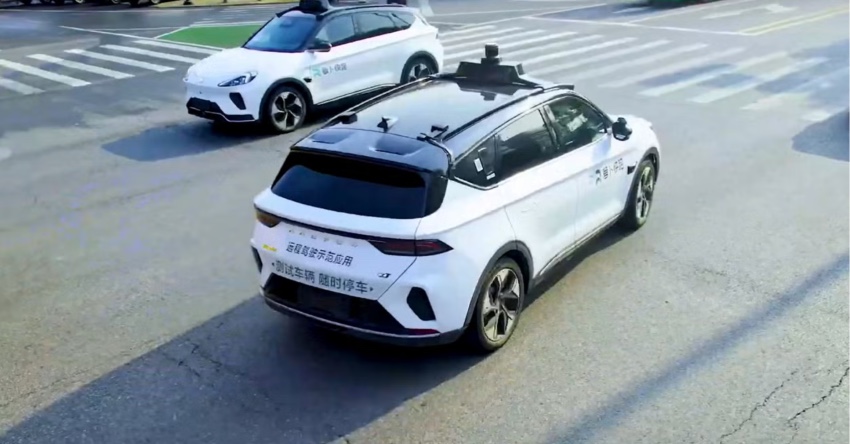
The capital’s streets are set to become the ultimate testing ground for the future of transport as Uber and Lyft join forces with Chinese tech titan Baidu to launch fully autonomous taxi fleets in 2026.
The landmark partnership will introduce Baidu’s purpose-built "Apollo Go" electric vehicles to the UK for the first time. The move sets the stage for a high-stakes showdown with Waymo—Alphabet’s self-driving division—which is also targeting a 2026 public rollout in London.
The initiative aims to prove that autonomous technology can master the "busy, narrow and often complex streets" of a historic European city, a significant step up from the predictable grid systems of the US and China.
Baidu, which describes itself as the "world’s largest autonomous vehicle operator," brings massive scale to the project, having already completed over 17 million cumulative rides globally.
The company noted that its systems have covered more than 240 million kilometres, emphasising that its RT6 models are: "...fully electric cars designed specifically for ride-hailing use. Unlike converted production cars... the RT6 has been developed from the outset to operate without a driver."
Lyft, which entered the UK market in 2025 via the acquisition of Freenow, clarified that robotaxis will not be replacing humans immediately. The company intends to operate a “hybrid network,” where autonomous vehicles work alongside human-driven cars.
According to Lyft, this strategy is: "...designed to ensure London’s full range of travel needs can be met while creating new opportunities within the wider ride-hailing ecosystem."
While the ambition is high, the companies face a rigorous path to approval. Work is currently underway with Transport for London and local regulators to ensure the technology meets the UK's strict safety standards.
Industry analysts suggest the arrival of these platforms marks a shift from experimental pilots to "real-world urban deployment." If the first half of 2026 proves successful, the plan is to expand the fleet to hundreds of vehicles.
While the current priority is securing regulatory green lights and finalising logistics, the path forward is unmistakable. London is rapidly emerging as a premier global hub for self-driving technology as Baidu, Uber, and Lyft join Waymo in focusing their efforts on the capital.
Should these initiatives succeed, the sight of a driverless electric taxi on London’s streets could soon transition from a futuristic curiosity into a routine part of daily life.
Read another story
- "EXCEPTIONALLY WEAK": EDINBURGH CABBIE BLASTS ONE WEEK SUSPENSION FOR PRIVATE HIRE DRIVER

The row erupted after Mehmood Fiaz UL Hassan, a private hire driver of seven years, admitted to picking up a passenger without a pre-booking outside Waverley Station.

- RIBBLE VALLEY TAXIS SECURE PERFECT SCORE IN PRE CHRISTMAS SAFETY SWEEP

A total of eight hackney carriages and private hire vehicles were pulled over for inspection, with every single vehicle meeting the necessary legal and safety requirements.
- NORTH AYRSHIRE CABBIES FACE CRACKDOWN AS DRESS CODE VIOLATIONS DOUBLE
The region’s licensing committee heard last week that despite a move toward more flexible attire in September 2024, an increasing number of drivers are failing to meet basic presentation requirements.
- BLACKBURN TAXI CRACKDOWN: TWO DRIVERS SUSPENDED IN JOINT POLICE OPERATION

The operation, conducted on December 18, saw officers utilise "new tactics learned from previous operations" to target non-compliant drivers.
- VILE VERBAL RACIST ATTACK ON PRIVATE HIRE DRIVER IN SHEFFIELD
An Uber driver was subjected to a racially aggravated verbal attack in the early hours of Sunday morning, 21 December, after refusing to take a man from Sheffield to Brinsworth in Rotherham.
- CABBIE TO PAY MORE THAN £650 FOR BREACHING PUBLIC SPACES PROTECTION ORDER NEAR HEATHROW

Hillingdon Council has prosecuted a Transport for London taxi driver for contravening a Public Spaces Protection Order (PSPO) and not paying a Fixed Penalty Notice (FPN).
- NORTH HERTS DRIVERS COULD FACE SANCTIONS FOR REFUSING SHORT FARES

The enforcement exercise, conducted by North Herts Council on December 10 at Hitchin Railway Station, utilised a lone female operative who requested short journeys within the minimum fare distance.
- READING DRIVER BANNED AND FINED FOR OFFERING ILLEGAL RIDES AT HENLEY REGATTA

Mr Arshed Abdul Aziz, 67,from Reading, appeared before Oxford Magistrates’ Court on Friday 12 December when he pleaded guilty to: unlawfully plying for hire in Henley on 5 July 2025.
- PERTH COUNCIL GREENLIGHTS 24 NEW TAXI PLATES DESPITE BACKLASH FROM TAXI ASSOCIATION

The decision, made on Monday, December 15, aims to address "unmet demand" in city, but local drivers argue the council is fundamentally misreading the market.
- 'UNFIT FOR THE ROAD': DUDLEY COUNCIL BARS DRIVERS OVER REVOKED LICENCES AND FORGED DOCUMENTS

Minutes of Dudley’s Taxis Committee have provided an insight into a string of "incredible" licence applications and reviews.
- "IT IS KIND OF SCARY": GRIMSBY TAXI DRIVER "UNSAFE" AFTER DOUBLE VANDALISM ATTACK
Habib Khawaja claims that local drivers are being "constantly targeted" by youths throwing rocks and bricks, an issue he says has persisted for years.
- END OF THE ROAD ST IVES LEFT REELING AS INVALUABLE ACE CARS COLLAPSES

While residents mourn the loss of an "invaluable" service, former drivers claim they have been left "thousands out of pocket" after the firm entered voluntary liquidation with almost no warning.
- TFL SEES GROWTH IN APPLICATIONS FOR KNOWLEDGE OF LONDON DURING ITS 160TH ANNIVERSARY YEAR

TfL has seen a significant rise in applications, increasing from 440 in 2022 to 742 to the end of November 2025 – a 68.6% increase, on track to be the highest number in a decade.
- FESTIVE SAFETY BOOST TAXI MARSHALS DEPLOYED TO SECURE LICHFIELDS NIGHT TIME ECONOMY
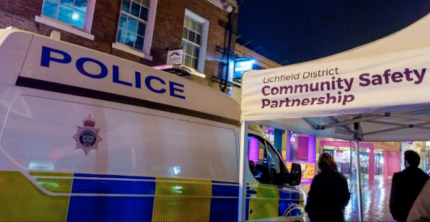
The initiative, launched by the Lichfield District Community Safety Partnership, is funded by Staffordshire Police, Fire and Crime Commissioner Ben Adams.
- LICENSING ROW ERUPTS AS REFORM COUNCILLOR FACES BACKLASH OVER BASSETLAW DANGEROUS CABBIE CLAIMS

The controversy follows data from Bassetlaw DC, showing that over the past decade, 12 PH licences were granted to individuals with convictions for violent offences, and one for a sexual offence.
- TAXI MARSHALS ROLLED OUT IN SALISBURY FOR SAFER CHRISTMAS NIGHTS
The marshals, which started last Friday (December 12) are responsible for managing the main taxi areas in the city centre, controlling queues and helping vulnerable people find licensed transport home.
- SWINDON COUPLE JAILED AFTER TAXI CCTV EXPOSES COCAINE SIDE HUSTLE

Jordan Williams, 35, and Donna Midgeley, 32, were sentenced at Swindon Crown Court on 16 December, following a Serious and Organised Crime Unit (SOCU) investigation.
- NEWCASTLE AIRPORT UNVEILS FREE 90 MINUTE WAITING ZONE AHEAD OF RECORD PASSENGER GROWTH

The facility, located next to the Callerton Parkway Metro station, offers taxis, minibuses, and the general public up to 90 minutes of free parking.
- TAKE ME AND GETT ANNOUNCE STRATEGIC PARTNERSHIP
The partnership brings together Take Me’s extensive regional operating footprint and local expertise with Gett’s market-leading corporate travel technology.
- THOUSANDS OF DRIVERS WRONGLY FINED IN MAJOR UK SPEED CAMERA ERROR

National Highways said it had found 2,650 wrongful speed camera activations since 2021 due to a delay between cameras and variable speed signs.



















All content Copyright © 2025
Private Hire and Taxi Monthly Limited