



Posted on the 9th December 2025 in PHTM News
REPORT WARNS OF RAPIDLY GROWING GHOST NUMBER PLATE CRISIS AS 41% LONDON CABBIES ARE NON COMPLIANT
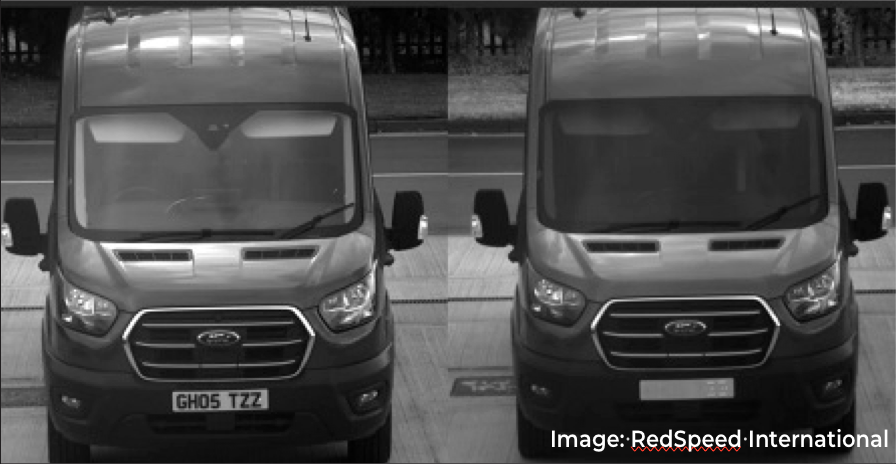
An "explosive" new report has laid bare the "serious safety concerns" posed by the UK's "outdated and poorly regulated number plate system," warning it has created a crisis enabling criminals to operate undetected on the nation's roads.
The report, launched by the All-Party Parliamentary Group for Transport Safety (APPGTS), follows a cross-party inquiry and concludes that the UK's advanced Automatic Number Plate Recognition (ANPR) network - which captures around 90 million reads daily - is being "critically undermined" by weak regulation.
The inquiry found that as many as one in fifteen vehicles may carry modified or non-compliant plates, including 'ghost' and stealth plates designed specifically to evade ANPR detection. These plates, often sold "openly online by unregulated suppliers," allow drivers to skip road charges, tolls, and fines.
However, the threat extends far beyond traffic offences. Criminals are using these ANPR-evasive plates to facilitate serious crimes, including "rogue trading, drug dealing and organised crime such as human trafficking and people smuggling."
A submission from National Trading Standards highlighted the chilling national security implications: "Ghost plates pose a serious threat to counter-terrorism operations. Vehicles with stealth plates can bypass surveillance systems around critical infrastructure such as airports, government buildings, and transport hubs.
"This creates vulnerabilities that could be exploited by terrorist groups planning vehicle-borne attacks."
The report exposes "extraordinary weaknesses" in number plate manufacturing. Currently, 34,455 suppliers are registered with the DVLA, many operating from private homes without any background checks. The inquiry heard that some suppliers handling sensitive ID documents were found to have "serious criminal convictions, including for violent offences and fraud."
Innocent motorists are also suffering, with increasing numbers being targeted by criminals who clone their number plates, leading to fines, debt collection, and in some cases, police investigation. The report states the "personal impact of this tampering is a scandal."
The widespread use of tampered plates poses an "acute risk to public safety." The report highlights evidence that "taxi drivers are tampering with plates en masse to avoid drop-off and road charges." The inability to trace these vehicles "raises serious risks for women and girls’ safety, as well as for vulnerable passengers."
Enforcement efforts in London have validated the scale of the issue. Transport for London (TfL), using 'ghost' plate-defeating cameras, found that 41% of licensed taxis checked had non-compliant plates. Since acquiring more of these cameras in July 2023, TfL has issued more than 4,200 fines.
The report concludes that the current system is a "gaping hole" in the UK’s security that can be exploited using "nothing more sophisticated than cellophane, leaves or a marker pen."
It calls for a wholesale revision of the system, advocating for:
-
Standardised design with security features, banning 3D and 4D plates.
-
Significantly restricting the number of licensed sellers via annual fees and regular audits.
-
Increasing the fine, giving offenders points for illegal plates, and seizing the vehicles of repeat offenders.
Simon Williams, RAC head of policy, strongly supported the findings: “It’s clear from this report that urgent action must be taken to stop the widespread abuse of number plates, which has serious and far-reaching consequences for our society from road safety to national security. Ghost and cloned plates have no place on our roads as no one should be able to drive a vehicle that’s invisible to enforcement cameras or untraceable by the police."
Martin Saunders, head of uninsured driving prevention at the Motor Insurers’ Bureau, added that the "increasing damage done by drivers of vehicles hiding in plain sight on our road system should not be tolerated."
Read another story
- INVERCLYDE TAXIS SET FOR POTENTIAL NEW FARE HIKE JUST ONE YEAR AFTER 7% RISE

The council’s general purposes board is due to consider the report on December 10, which confirms that representatives of the taxi trade "have now been requested to submit their views.

- ARREST IN COLD CASE: MAN 76 CHARGED WITH 2008 MURDER OF TIPTON TAXI DRIVER
David Harrison, from Bilston, is accused of killing 39-year-old Mr. Khan. The victim "was shot outside his Tudor Street home at 9.25pm on March 3, 2008, and later died at hospital."
- UNSAFE TYRE LEADS TO IMMEDIATE SUSPENSION OF LANCASHIRE TAXI LICENCE
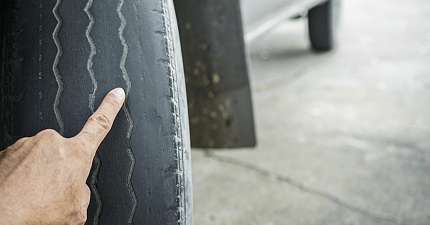
The driver was penalised after officers discovered that the treads on one of his tyres measured a mere "0.8mm," well below the legal limit.
- CHRISTMAS SAFETY ALERT: EAST RIDING COUNCIL WARNS OF BOGUS TAXI DRIVERS
The council has noted an annual rise in reports of "bogus vehicles purporting to be lawful taxi services" during the holiday period.
- HMRC OFFERS TIME TO HELP YOU PAY YOUR TAXI BILL

Self Assessment customers can spread the cost of their tax bill with HMRC’s Time to Pay service.
- CHARITY DEMANDS LICENCE REVOCATION FOR COVENTRY CABBIES WHO REFUSE GUIDE DOGS
The charity highlighted that 9,410 people in Coventry currently live with sight loss, a figure predicted to rise to 10,800 by 2032.
- HEATHROW HIKES DROP OFF FEE TO 7 AND CUTS WAIT TIME LABELLED UNJUSTIFIABLE MONEYMAKER
Motoring campaigners and taxi drivers have fiercely criticised the steady fee increases, arguing that passengers will ultimately be forced to "shoulder the costs."
- TAXI DRIVERS PUSH BACK: PETITION DEMANDS DELAY TO SLOUGH'S DIESEL CUT OFF POLICY
The petition argues that Slough’s cut-off is “stricter and more costly” than neighbouring authorities, adding that drivers and operators will be asked to “bear high costs” to upgrade their vehicles.
- CUT OFF THE UBER APP: COTSWOLD CABBIES DEMAND BAN OVER FEARS OF OUT OF AREA DRIVERS

Licensed drivers in the Cotswolds are demanding a local ban on the Uber app, claiming they are losing "thousands of pounds" due to competition from drivers licensed in distant areas
- LEVC BACKS GREATER MANCHESTER'S CLEAN TAXI PLANS WITH UP TO £2M CONTRIBUTION
London EV Company (LEVC) has signed a memorandum of understanding with the Greater Manchester Combined Authority, backing the city-region's £8m Hackney Support Fund.
- GOVERNMENT MOVES TO TIGHTEN TAXI LICENSING WITH RIGOROUS VETTING TO TACKLE OUT OF AREA DRIVERS

The Government has issued a statement detailing its plans to overhaul taxi licensing under The English Devolution and Community Empowerment Bill, specifically aiming to tackle the controversial issue of 'out-of-area' wor
- REVEALED THE WORLD'S WORST PLACE FOR TAXI SCAMS AND HOW TO AVOID THE BROKEN METER TRICK

New research analysing Reddit travel discussions has named Turkey as the country where tourists most frequently report falling victim to taxi scams.
- BOURNEMOUTH FARE DODGERS EXPOSED AFTER ONE SHARES POLICE APPEAL ON FACEBOOK

Larisa Sumovskaja, 18, and Jasmine Orchard, 21, took a taxi home after a night out, but left the vehicle without paying the £38 fare.
- TORBAY TAXI DRIVER'S LICENCE SUSPENDED AFTER 19 COMPLAINTS IN SIX WEEKS

The unnamed driver's licence is suspended for three months, though she may return sooner if she completes training.
- GLASGOW MOVES TO MAKE CARD PAYMENTS MANDATORY FOR TAXIS

Glasgow taxi drivers could soon be required to accept card payments after the city's licensing committee officially agreed to hold a public consultation on the issue.
- SHETLAND TAXI FARES POISED FOR FIRST RISE SINCE 2022 AMID SURGING COSTS

The move is being driven by "significant increases in the cost of vehicles and maintenance, fuel and the cost of living," according to a Shetland Islands Council (SIC) report.
- PETERBOROUGH COUNCIL VOTES TO URGE GOVERNMENT FOR NATIONAL STANDARDS AND FUNDING FOR CCTV

The motion, spearheaded by Labour councillor Mohammed Jamil, requires the city council to write to the Secretary of State for Transport and two local MPs, urging their support.
- TAXI ENGULFED IN FLAMES AT TRAIN STATION IN EAST KILBRIDE AFTER PASSENGER ALERTS DRIVER

Footage captured the vehicle entirely "enveloped in flames" as firefighters arrived on the scene to tackle the intense blaze.
- BASINGSTOKE COUNCIL TO PAY OVER £270K FOR RACIAL DISCRIMINATION AGAINST TWO BLACK PH DRIVERS

The claimants, Miss O Akinleye and Mr A Olumade, pursued an employment tribunal against BDBC alleging sex discrimination, race discrimination, harassment, and victimisation.
- WAKEFIELD COUNCIL LICENSING OFFICER ACCUSES ELECTED MEMBERS OF BEING "CORRUPT"
Several members of the Wakefield taxi & private hire trade were at the meeting and one was so angry and concerned at what was said by this licensing officer that he has lodged the complaint.



















All content Copyright © 2025
Private Hire and Taxi Monthly Limited