



Posted on the 3rd June 2026 in PHTM News
TAXI AND PH AMONGST THE UK SECTORS MOST IMPACTED BY INFLATION AS COST SURGE 54 PER CENT
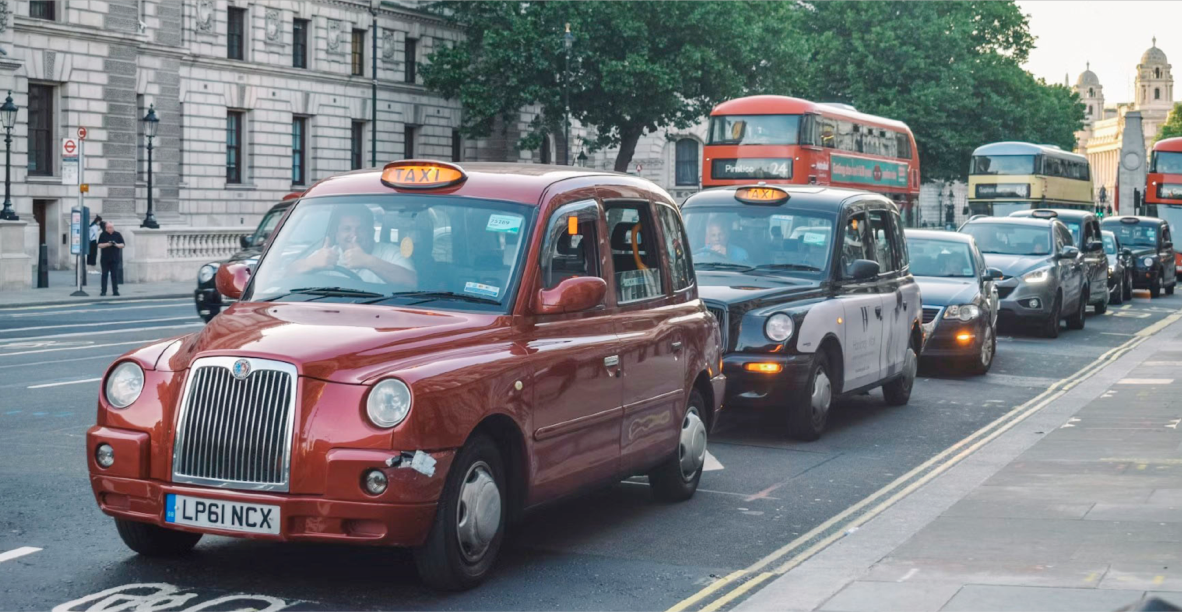
The cost of running a business has risen significantly in the past decade, reshaping the business landscape across the UK.
However, new research suggests that not all industries have been impacted on the same scale, and the taxi and private hire sector has been revealed among the UK sectors most affected, with operating costs having increased by 54% in the last ten years.
To understand which industries have faced the greatest pressure, Dojo have analysed ten core cost categories, including business rates, energy, and industry-relevant supplies, between 2015 and 2025, to create the UK Inflation Index, a sector-by-sector breakdown revealing where operating costs have risen fastest, and how business inflation now compares to consumer inflation.
New data breaks down how Taxi and Private Hire costs have increased over the last 10 years
In addition to highlighting taxi and private hire among the UK sectors most impacted by inflation in the last decade, Dojo’s inflation index has also revealed which types of costs have contributed most to this increase:
• Rent & Business Rates: 67%
• Energy 80%
• Labour 40%
• Insurance 60%
• Materials & Supplies 88%
• Technology & Software 100%
• Licencing & Mandatory Fees 50%
• Banking & Payment Processing 71%
• Transport & Vehicle 63%
• Training Costs 100%
TOTAL AVERAGE : 54%
Dojo’s research found taxi and private hire firms have faced sharper cost increases than the UK business average over the past decade.
Technology and training costs have seen the sharpest increases, both doubling over the past decade.
WHAT CAN TAXI AND PRIVATE HIRE BUSINESSES DO TO COMBAT INFLATION
Charlie Ashworth, Head of Research & Insights at Dojo, says: “While operating costs have risen significantly over the past decade, with the right insight into their cost structure, businesses can be better equipped to respond to these pressures.
“For business owners, the opportunity lies in control and efficiency. With labour, energy, insurance and technology costs all contributing to long-term structural change, understanding where your exposure sits is now a strategic advantage. Reviewing supplier contracts, improving operational efficiency, reducing unnecessary overheads, and optimising payment systems can all help protect margins in a higher-cost environment.
“With increases of this scale, businesses must take a more strategic approach to operations and managing their supplies. Understanding the supply chain is critical, and business owners should really look into how much they pay per item and whether there are more competitive suppliers available without compromising quality. Another option is to investigate how usage can be reduced, or processes improved to minimise waste. In times of sustained inflation, careful supply management can make a meaningful difference to overall profitability.
“Businesses that regularly assess their operating model, adapt pricing strategies where possible, and invest in tools that streamline transactions and reduce friction are often better positioned to absorb cost pressures without compromising service or growth.
“The past decade shows that the cost of running a business has evolved. The next decade will reward those who evolve with it.”
Read another story
- WOMAN JAILED AFTER CRIME SPREE INVOLVING STOLEN TAXI HAMMER ATTACK AND ASSAULTS ON PARAMEDICS
Mia Stebbings, of North Walsham, was jailed last month after committing multiple offences across Dereham and her hometown.

- LICENSING OFFICERS ASKED TO CHECK TAXI PRIVATE HIRE DRIVERS FOR MOTABILTY FRAUD
"Can I draw your attention to the new eForm on the Motability Operations webpage for reporting misuse.
- MANCHESTER AIRPORT MEETING AGREED TO DISCUSS DANGEROUS UNSANITARY CONDITIONS IN DRIVER WAITING
The ADCU has welcomed Manchester Airport's agreement to meet with the union to discuss urgent concerns regarding the conditions faced by PH drivers using the airport's designated waiting area.
- MAN SEEN ASSAULTING CABBIE IN NORTHAMPTON ... CAN YOU HELP?

The incident happened near to the Palmerston Road and Cliftonville junction on Saturday, May 23, between 1.45am and 2am, when a man was seen assaulting a taxi driver.
- GREEN LIGHT FOR EDINBURGH TAXI OUTING AFTER POLICE ESCORT ROW
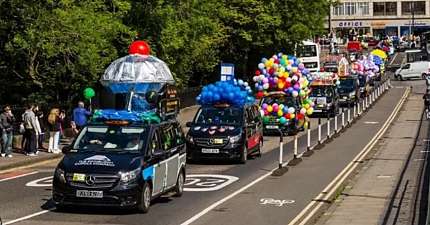
The annual Edinburgh Taxi Outing was shelved earlier this week after officers declined to provide a motorbike escort due to a "policy change".
- PHTM SO PROUD OF OUR TRADE: THIS POST WAS SHARED ON LINKEDIN
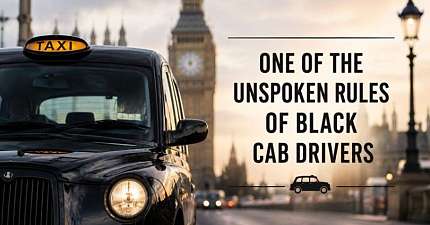
I travelled to London to visit my critically ill grandson at Great Ormond Street Hospital. After arriving at Paddington, I jumped into a black cab across the city.
- ADDISON LEE ROLLS OUT CPR TRAINING WITH ST JOHNS AMBULANCE AFTER DRIVER HELPS SAVE PASSENGER'S LIFE

Godwin Omotobora joined twenty Addison Lee drivers on 27th May for a training session at its West Drayton Fleet Hub, delivered by St John Ambulance staff, to share his first-hand experience and encourage other drivers to
- ADDISON LEE ROLLS OUT CPR TRAINING AFTER DRIVER HELPS SAVE PASSENGERS LIFE
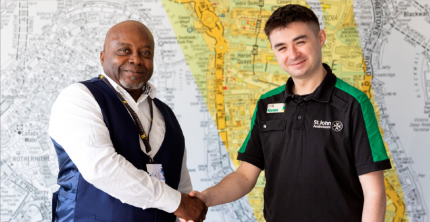
Godwin Omotobora joined twenty Addison Lee drivers on 27th May for a training session to share his first-hand experience and encourage other drivers to learn the skills that helped him to save a life.
- BRADFORD PRIVATE HIRE BOSS FINED AFTER BLAMING SOFTWARE ISSUE FOR UNLICENSED DRIVER

Imran Khan, 43, the operator of Aireside Private Hire, failed to attend his scheduled hearing at Bradford Magistrates Court.
- CCTV RELEASED AFTER BEER BOTTLE SMASHES NOTTINGHAM TAXI WINDOW OUTSIDE KFC

The incident took place at around 3:15 am on April 18 outside the fast-food restaurant on Milton Street.
- WELL DONE TO CORKER CARS ST ALBANS FOR SUPPORTING THE ELDERLY IN THEIR COMMUNITY

"From the moment we set off, there was laughter and excitement in the air. After enjoying breakfast, we headed to the seaside where everyone had the opportunity to relax and take in the sea air.
- ABERDEEN SPLIT OVER THE FUTURE OF TAXI KNOWLEDGE TEST

Out of roughly 1,800 responses gathered by Aberdeen City Council, 45.5% voted to keep the test, while 43.1% argued it should be scrapped entirely.
- TAXI LANDS ON TOP OF PARKED CARS IN DRAMATIC NEWPORT ROAD CRASH
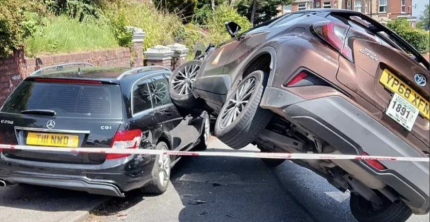
Emergency services rushed to Bassaleg Road, near the Handpost pub, shortly after midday on Friday, May 22, after a taxi collided with two stationary vehicles.
- EDINBURGH COUNCIL DEMANDS EMERGENCY TALKS AFTER ICONIC ANNUAL TAXI OUTING CANCELLED
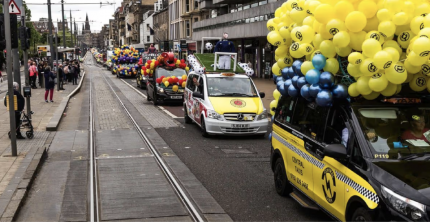
The 78th annual Edinburgh Taxi Trades Outing, which sees a parade of balloon-covered black cabs drive vulnerable children through the capital, was scheduled for June 9.
- CHANCE TAXI REUNION ALLOWS GLASGOW DRIVER TO THANK PASSENGER WHO SAVED HIS LIFE FROM PROSTATE CANCER

In 2024, driver Brian Kelly, 66, picked up Tam Hewitt, a 76-year-old volunteer for Prostate Cancer UK. During the journey, Mr Hewitt spoke about the importance of getting checked for the disease.
- HERO VAN DRIVER RESCUES OBLIVIOUS TAXI PASSENGERS FROM M60 VEHICLE FIRE
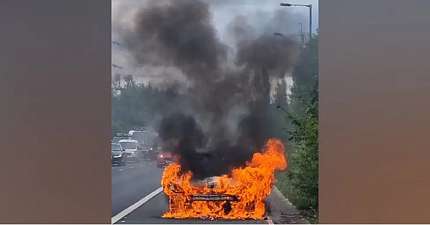
The van driver was travelling along the motorway in Greater Manchester near Simister Island on Thursday when he spotted flames coming from the cab.
- NEW INDEPENDENT TRADE ASSOCIATION LAUNCHED IN EAST RENFREWSHIRE

The East Renfrewshire Licensed Drivers’ Association (ERLDA) has been established following an agreement for the East Renfrewshire Branch of the SPHA to formally close and move forward independently.
- UBER DRIVER PUNCHED OUSIDE ACCRINGTON PUB
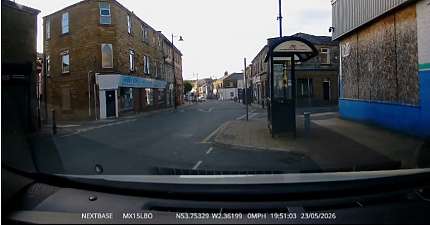
The angry driver contacted PHTM to share his story...
- FOUR TAXIS SUSPENDED AND ONE DRIVER ARRESTED DURING CRACKDOWN ON BRADFORD ROAD

The multi-agency operation took place on Thursday on Great Horton Road, targeting vehicle compliance, road safety, licensing rules, and environmental crime.
- MAN CHARGED AFTER TAXI DRIVER STRANGLED AND ROBBED IN CARLTON, NOTTS

The terrifying assault took place around 9:50pm on 28 April 2026, while the victim was driving a customer along Carlton Hill Road.




















All content Copyright © 2026
Private Hire and Taxi Monthly Limited