


Posted on the 30th September 2026 in PHTM News
SCOTTISH GOVERNMENT TO CONSIDER TAXI LICENSING LAW CHANGES AFTER HIGHLAND COUNCIL RAPIST CONTROVERSY
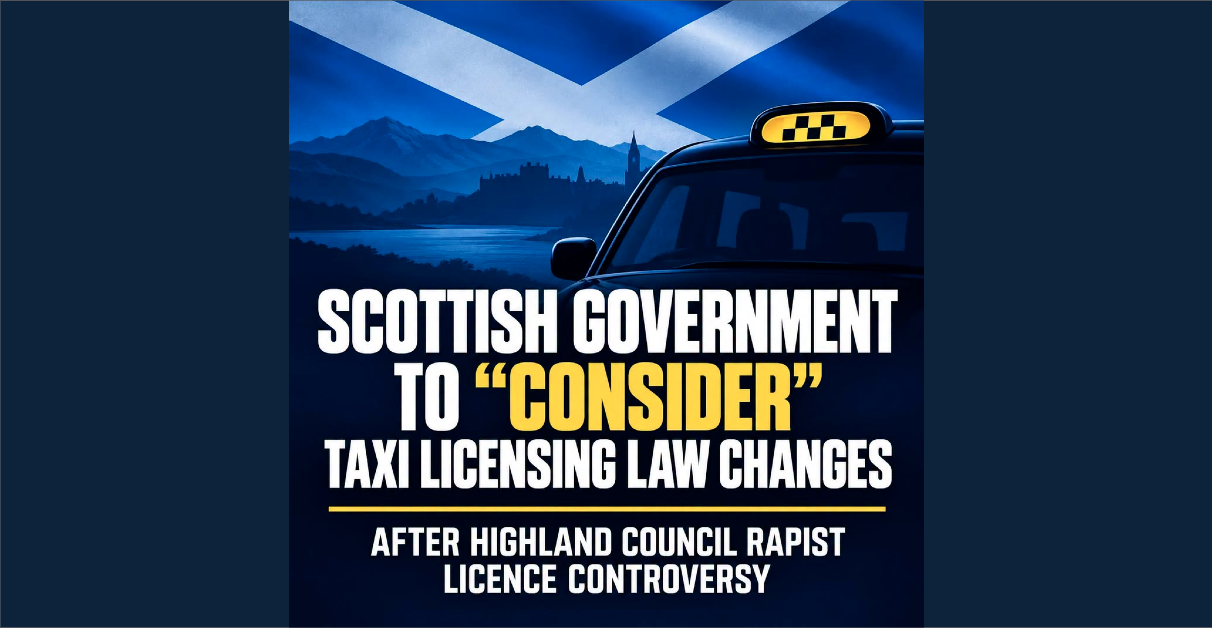
The Scottish Government has said it will “consider” reviewing Scotland’s licensing laws after renewed calls for convicted sex offenders to be automatically barred from holding taxi licences, following the high-profile controversy involving Highland Council’s handling of licences linked to a convicted rapist.
The issue was raised during First Minister’s Questions on 22 September by Highlands and Islands MSP Morven-May MacCallum, who referenced Highland Council’s recent vote of no confidence in councillors who supported allowing a convicted rapist to retain a taxi licence.
MacCallum told Parliament that the case had demonstrated a serious weakness in the current licensing framework and asked whether the Scottish Government would review Scotland’s licensing laws and introduce legislation preventing convicted sex offenders from holding taxi licences.
She argued that if women are to view taxis as a safe means of transport, safeguards must ensure that those convicted of serious sexual offences cannot continue to hold such licences.
Responding, First Minister John Swinney said he agreed “unreservedly” with the concerns raised and stated that there should never have been any question of a licence continuing in a case of that nature.
He said the matter raised wider questions about the degree of discretion currently afforded to local licensing authorities under Scottish licensing legislation and indicated he was “very open” to considering legislative amendments. However, he stopped short of announcing a formal review, consultation or specific legislative timetable.
The parliamentary exchange follows weeks of controversy surrounding Highland Council’s licensing committee and its handling of licences connected to David Brown, an Inverness taxi driver jailed in May after being convicted of raping an 18-year-old passenger.
Brown was sentenced to six years and nine months’ imprisonment following the attack, which occurred in December 2023. His taxi driver’s licence had previously been suspended, but a separate taxi operator’s licence remained active and became the subject of licensing proceedings.
The case attracted national attention after Highland Council’s licensing committee voted by six votes to four to allow Brown’s operator’s licence to continue despite objections from Police Scotland.
According to reports, the committee was told that Brown’s wife had been operating the business and relied on the licence for income. The decision provoked widespread criticism from campaigners, politicians and victims’ groups, as well as significant public concern about the application of the “fit and proper person” test in taxi licensing decisions.
The fallout escalated further in September when Highland Council passed a motion of no confidence against the councillors who had supported allowing the licence to continue. The motion was approved by 56 councillors, with six voting against and five abstaining. Council leaders described the original licensing decision as a “catastrophic failure of judgement” and a betrayal of public trust.
An independent external review of Highland Council’s licensing arrangements has also been commissioned. The review is expected to examine issues including the operation of the licensing committee, the application of the fit and proper person test, the treatment of Police Scotland objections, safeguarding considerations and wider governance arrangements.
Read another story
- 100 MONTHS' JAIL FOR BRADFORD ROBBER WHO HELD AXE TO CABBIE'S FACE
Ismail Ahmed, of no fixed abode, committed two robberies and five attempted robberies on May 9 and May 11 while on licence for previous robbery offences.

- EAST MIDLANDS AIRPORT RAISES RAPID DROP OFF FEES FOR DRIVERS
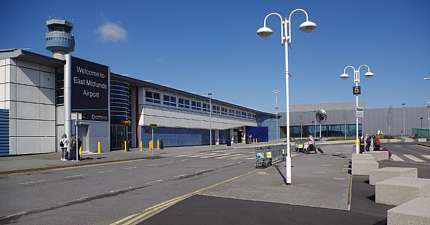
The price for using the rapid drop-off area has increased from £5 for 15 minutes to £8 for 10 minutes, and came into effect on 29 September.
- MULTI AGENCY TAXI AND PRIVATE HIRE VEHICLE COMPLIANCE OPERATION AT EAST MIDLANDS AIRPORT
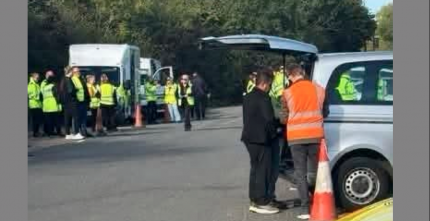
A major multi-agency compliance operation took place at East Midlands Airport with 19 councils, DVSA, DVLA, HMRC, Leics Police, Uber UK, East Midlands Airport and insurance fraud specialists.
- TAXIS IN GRAN CANARIA BEING FITTED WITH PANIC BUTTONS TO CONNECT DIRECTLY WITH POLICE
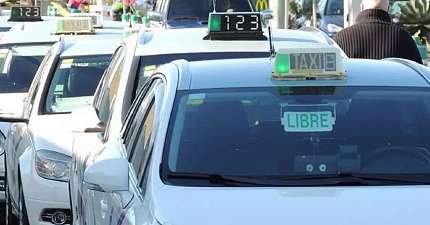
A new security system being developed in Gran Canaria will allow taxi panic buttons to connect directly with Local Police control rooms, giving officers live access to images and sound from inside vehicles during an emer
- ARE PEOPLE ‘CHATGPT-ING’ INSTEAD OF GOOGLING?

For years, “Google it” has been part of everyday language. But I increasingly wonder whether we are entering the age of “ChatGPT it”.
- UBER GRANTED CONTROVERSIAL FIFE LICENCE AFTER HUNDREDS OF OBJECTIONS THROWN OUT ON TECHNICALITY

Uber has successfully secured a 24/7 PH operating licence for a booking office at Rosyth Business Park after Fife Council’s Regulation and Licensing Committee approved the bid on 22 September.
- STOKE ON TRENT PRIVATE HIRE DRIVER FINED £500 FOR LITTERING FROM VEHICLE
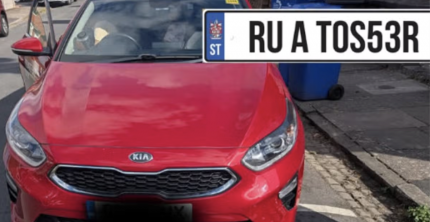
The council subsequently published a photograph of the offending cab to highlight the penalty and warn other motorists against the practice.
- HARTLEPOOL COUNCIL KEEPS YELLOW TAXI COLOUR POLICY
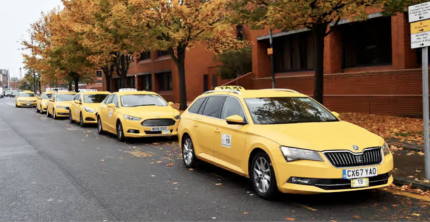
Hartlepool Borough Council licensing chiefs have voted to keep the town's hackney carriages fully yellow following a public consultation earlier this summer.
- SOUTHAMPTON PRIVATE HIRE DRIVER LOSES LICENCE AFTER MULTIPLE COMPLAINTS

Councillors made the decision during a hearing held behind closed doors on September 16, concluding that the driver was no longer a fit and proper person to hold the driver's licence.
- NORTH EAST TEENAGER SPARED PRISON AFTER PUNCHING PH DRIVER AND STEALING TAKINGS

As the driver was adding details into the taxi app, 18-year-old Brandon Moloney opened the door and punched him in the cheek, "causing an immediate stinging sensation".
- DISGRACED NEWCASTLE PRIVATE HIRE DRIVER SPARED JAIL AFTER ONLINE GROOMING WITH SCHOOLBOY
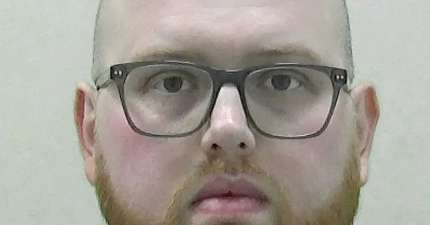
David Richardson, 31, communicated with who he thought was a 14-year-old schoolboy, sending indecent images of himself and discussed picking the teenager up from school.
- UNLICENSED PRIVATE HIRE DRIVER WHO DROVE SEND CHILDREN TO LLANELLI SCHOOL FINED £2,700

Derrick Lewis was caught driving pupils in a licensed private hire car during a council spot check at Ysgol Heol Goffa in February. He didn't turn up to court.
- GWYNEDD COUNCIL APPROVES TAXI FARE INCREASES STARTING OCTOBER

Taxi fares across Gwynedd are set to rise from October 1, 2026, after Cyngor Gwynedd's general licensing committee formally approved the changes on Monday, September 21.
- GLASGOW CABBIE HELPS SAVE PASSENGER AFTER HEART STOPS
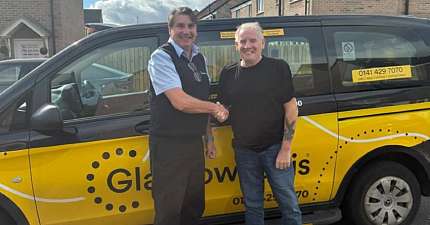
Driver Charlie Matthews was carrying passenger Jake Sinclair on an early-morning private hire trip to Stobhill Hospital when he noticed Jake had slumped over in the back of his cab.
- THE COUNCIL MIGHT BE LEGALLY RIGHT BUT IS IT FAIR?
Dear PHTM - I am hoping someone could give me some advice on a matter with our local licensing authority.
- WOLVERHAMPTON PRIVATE HIRE DRIVER PROSECUTED FOR PLYING FOR HIRE

Successful prosecution by Liverpool City Council following an incident in March involving a Wolverhampton licensed PHV driver.
- DRIVERS REMAIN VITAL FOR TAXI PRIVATE HIRE PASSENGERS ACROSS UK

Research reveals multi-faceted nature of modern driver’s role.
- SPHA SECURES UPDATE TO BOOKING OFFICE RULES IN GLASGOW

The Scottish Private Hire Association has achieved a significant victory for small-scale and independent operators in Glasgow.
- NIGHTMARE FOR RURAL TAXI DRIVERS AS FUEL PRICES SOAR

Rural taxi and private hire drivers in the West of England are fighting to stay afloat as soaring fuel costs squeeze profit margins.
- BRIT ARRESTED AFTER SEVILLE CABBIE STABBED 16 TIMES DRIVES TO POLICE STATION

A British passenger has been arrested in Seville after allegedly stabbing a local cabbie 16 times in a brutal knife assault, sparking fresh safety demands from the city's taxi trade.





















All content Copyright © 2026
Private Hire and Taxi Monthly Limited