



Posted on the 12th October 2026 in PHTM News
MESSAGE TO ALL OPERATORS FROM THE TAXI AND VEHICLE POLICY TEAM AT THE DFT

We wanted to make you aware of changes to the Home Office’s Right to Work [RTW] Scheme that came into effect on 1 October 2026. The changes are intended to strengthen safeguards against illegal working while keeping compliance requirements proportionate for businesses. The updated guidance clarifies how the RTW Scheme applies across a wider range of working arrangements, including some models used in the taxi and private hire vehicle [PHV] sector.
These changes do not alter existing driver licensing arrangements. Licensing authorities will continue to undertake immigration status checks as part of the driver licensing process. However, depending on their contractual and operating arrangements, some operators may also have responsibilities under the Right to Work Scheme and should consider whether the Scheme applies to their business model. Licensing checks undertaken by local authorities do not replace any separate obligations that may apply to operators under that Scheme.
For many operators, the practical impact may be limited. The impact will depend on an operator’s business model and existing onboarding arrangements, but where operators already carry out identity verification and onboarding processes for drivers, the new requirements may build on existing procedures rather than require entirely new systems.
Operators should therefore review their arrangements and, where the RTW Scheme applies, ensure they have appropriate processes in place. In practice, this means:
• Reviewing contractual and operating arrangements to determine whether the RTW Scheme applies to drivers engaged through their business.
• Carrying out an RTW check before a driver begins working where required under the Scheme.
• Keeping a record of the completed check in line with Home Office guidance.
• Having a process for any follow-up checks where a driver’s right to work is time limited.
• Ensuring they can be satisfied that the person checked is the individual carrying out the work.
Importantly, the Home Office has confirmed that the changes are not retrospective. Existing contractual arrangements entered into before 1 October 2026 will generally not require a new RTW check solely because they continue beyond that date. Operators should therefore focus primarily on new arrangements entered into from 1 October onwards.
The Department for Transport and the Home Office recognise the importance of minimising burdens on operators. The guidance sets out a number of acceptable ways to conduct checks and retain records, allowing businesses to incorporate RTW checks into existing onboarding processes where appropriate rather than adopt a prescribed approach.
Further information can be found in the Home Office’s updated Right to Work Checks: Employer’s Guide on GOV.UK and the guidance for licensing authorities on preventing illegal working in the taxi and private hire vehicle sector. We encourage operators to familiarise themselves with both pieces of guidance and, if they have any questions, contact: righttorentandrighttowork@homeoffice.gov.uk.
Thanks
Taxi and Private Hire Vehicle Policy Team
Read another story
- UBER DRIVER ACCUSED OF MURDERING PASSENGER AFTER ROW OVER VOMIT IN CAR

Basildon Crown Court heard that Michael Ashton, 28, pictured, had been out with his partner before the couple took an Uber home and an argument broke out with the driver, Hayadulla Turkmani, 53.

- CHILDREN RELUCTANT TO USE SEND SCHOOL TAXIS IN ESSEX

"I don't want to put my children in the school transport taxi, but how else do I get them to school?" asks Donna.
- OVER 250 TAXIS AND PHVS CHECKED IN MAJOR POLICE OPERATION ACROSS LANCASHIRE
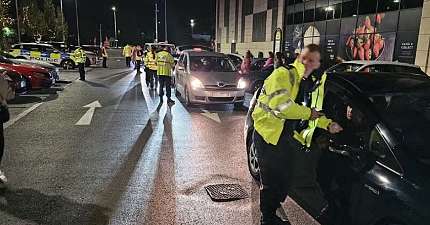
The checks took place on 2 & 3 October as part of Lancashire Constabulary’s ongoing NightSafe campaign, aimed at keeping passengers safe and ensuring vehicles and drivers meet the required standards.
- UNLICENSED IPSWICH PRIVATE HIRE DRIVER FINED £1,124 AFTER RUNNING RED LIGHT
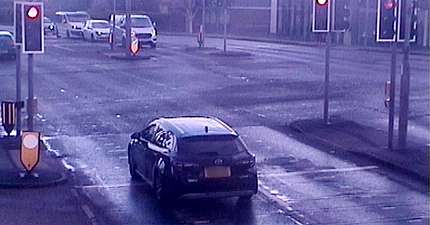
Ionel-Adrian Sandu, from Ipswich, was driving a vehicle licensed by Ipswich Borough Council along the A6005 in Chilwell, Nottinghamshire, on 12 April when he went through a red light.
- BOLT LOSES SUPREME COURT VAT APPEAL BID - MAJOR RULING FOR PRIVATE HIRE INDUSTRY

Will this bring greater clarity and a more level playing field across the trade?
- NORTH NORTHAMPTONSHIRE TRADE REP CHALLENGES COUNCIL OVER HUMAN COST OF LICENSING DECISIONS

In an email addressed to senior council officers and Councillor Kirk Harrison, Neil raises concerns about medical assessment procedures, knowledge testing, vehicle requirements and oversight of out-of-area private hire o
- OXFORD TAXIS KEIGHLEY MAKES PLEA TO PARENTS OF UNRULY KIDS AFTER CAR EGGED
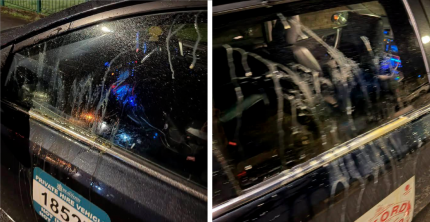
The message below was shared on the firms Facebook page: “The two pictures you see here were taken just days apart, and they are both the same vehicle..."
- GLASGOW HACKNEY DRIVER SITTING ON RANK HOURS AFTER BEING SUSPENDED

A Glasgow taxi driver who returned to work just hours after being suspended has been handed a further four-week suspension.
- CAMPAIGNER SHARES HIS CONCERNS ABOUT BRUTAL ATTACK ON WAKEFIELD CABBIE

A taxi driver was reportedly seriously assaulted very recently in Eastmoor, Wakefield, sustaining injuries including a broken nose.
- BOURNEMOUTH TAXI DRIVERS WELCOME FAIRER STATION RANK ARRANGEMENTS

South Western Railway (SWR) plans to reopen its online permit portal from 1 December, allowing eligible drivers to apply for permits and make payments directly.
- BE WARNED: 25 BRADFORD DRIVERS LOSE LICENCES OVER MOBILE PHONE OFFENCES

Figures obtained through a Freedom of Information request reveal that 25 Bradford-licensed drivers have had their licences revoked for mobile phone offences since 2024.
- ADCU BACKS CALL FOR TFL TO HAVE MORE CONTROL OVER DRIVERLESS VEHICLES

ADCU has consistently argued that autonomous vehicle policy must not be driven solely by commercial interests, but should prioritise public safety, democratic accountability and the livelihoods of workers.
- ADDISON LEE FOUNDER SIR JOHN GRIFFIN LOSES £20.5 MILLION DOMICILE FIGHT WITH HMRC

The case highlights the complicated - and often absurd - arguments created by Britain’s old non-domiciled ("non-dom") tax system, which the government finally scrapped in April 2025.
- YORK TAXI DRIVER RACIALLY ABUSED AS POLICE SEEK MAN

North Yorkshire Police has issued a photograph of a man officers want to speak to about the incident at about 7pm on Sunday, September 6.
- TAXI FACES LICENCE REVIEW AFTER INSPECTORS DISCOVER DANGEROUS SUSPENSION DEFECT IN REDDITCH
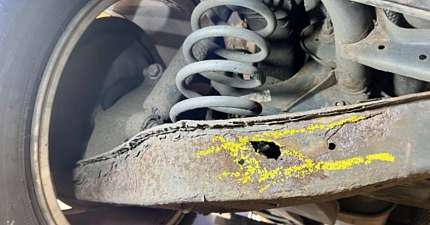
West Mercia Police teamed up with Worcestershire Regulatory Services and licensing officers from Wolverhampton City Council for the operation on the evening of Friday 25 September, to examine taxis and private hire vehic
- TELFORD TAXI DRIVERS HESITANT OVER FREE IN-CAB CCTV SCHEME DUE TO PRIVACY FEARS

Out of approximately 400 licensed vehicles in the borough, only 48 hackney carriages and private hire vehicles have had the safety cameras installed so far using funding from the community safety partnership.
- LIVERPOOL CABBIE JAILED FOR 38 MONTHS AFTER BEING CAUGHT COURIERING PINK KETAMINE

Peter McFadden, a 55-year-old boxing coach and taxi driver from Norris Green, came to the attention of police on June 4 when he was pulled over for speeding along Croxteth Hall Lane.
- FORMER TAXI DRIVER FINED £1,623 AND PENALISED WITH SIX POINTS FOR DRIVING WITHOUT LICENCE OR INSURANCE

Mohammed Manir, 63, was spotted by enforcement officers driving in Crawshawbooth on March 17 who recognised that he had not held a hackney carriage driver licence for several years.
- POLICE APPEAL AFTER WOMAN JUMPS INTO SWINDON TAXI TO ESCAPE SEXUAL ASSAULT

At around 1.20am, a stranger grabbed her from behind and touched her inappropriately before she managed to break away, get into the taxi, and leave the area with a female friend.
- STRATFORD ON AVON DC LAUNCHES CONSULTATION ON PROPOSED NEW TAXI LICENSING POLICY

The proposed framework, which would run from 2027 to 2032 to replace rules introduced in 2009, introduces major changes to vehicle age limits to give proprietors more flexibility while encouraging greener travel.





















All content Copyright © 2026
Private Hire and Taxi Monthly Limited