



Posted on the 18th March 2026 in PHTM News
NORTH YORKSHIRE APPROVES NEW TAXI RULES TO INCREASE WHEELCHAIR ACCESSIBLE VEHICLES
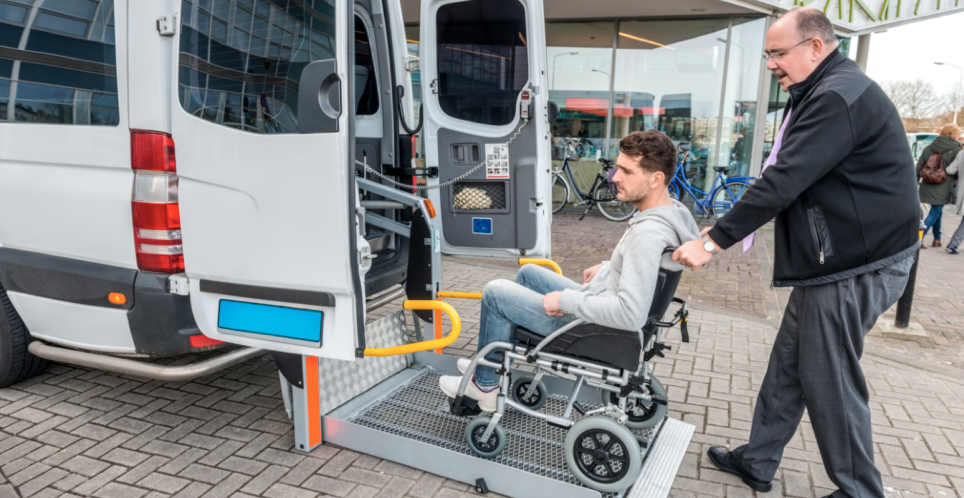
North Yorkshire council leaders have approved a new policy designed to increase the number of wheelchair-accessible taxis, even as critics warn the move could hurt rural communities and the elderly.
Under the new rules, any new application for a hackney carriage licence must be for a vehicle that is either wheelchair-accessible, zero-emission, or a hybrid.
The council is pushing the change to fix a major shortage, noting that only 60 wheelchair-accessible hackney carriages are currently licensed across the entire county.
Councillor Richard Foster, who oversees environmental management, described the policy as a compromise meant to reflect the "modern world."
He acknowledged the difficulties facing the industry, stating: “We have an issue around disability and access to vehicles, but we also realise there are challenges to the trade, especially the hackney carriage trade from app-based firms, both in our county and from across borders.”
However, taxi operators have hit back, claiming the high cost of these specific vehicles will drive drivers out of business.
Lisa Ridsdale, of the Take Me Group, argued that the policy is “out of touch with rural reality.” She pointed out that while a standard car costs around £20,000, whereas WAVs or electric vehicles can cost up to £90,000 when financed.
“Requiring all new or replacement taxis to be wheelchair accessible, electric or hybrid might work in cities, but here it’s impractical and potentially devastating," she said. She warned that the financial burden would lead to fewer drivers and longer waits for the very people the council aims to help.
Richard Fieldman, representing the North Yorkshire Taxi Drivers group, had expressed disbelief at the proposal, stating: “The taxi trade is already in a massive decline due to Uber and one thing and another, and what they’re trying to do will just finish us off.”
He warned that the financial and operational burden would lead to a mass exodus from the profession, adding: “There’s absolutely no way... that I would have a wheelchair vehicle or an electric vehicle, so myself, like many others, will just pack in.”
On the other side of the debate, disability advocates feel the council should have been even stricter. Jackie Snape, chief executive of Disability Action Yorkshire, asked the council to require all new taxis to be wheelchair-accessible. She argued that the current shortage prevents people from living spontaneous lives.
Beyond vehicle types, the policy introduces new requirements for private hire companies to identify a passenger’s accessibility needs before a booking is confirmed.
The council is also ditching the old 10-year age limit for taxis and PHVs, replacing it with a requirement to meet Euro 6 emission standards.
To help fulfil school and social care travel, the council will also offer restricted private hire licences for drivers who only work those specific contracts.
Officials plan to review the policy in one year to see if the number of accessible taxis has actually grown.
Read another story
- IPSWICH TAXI AND PH OPERATOR JOIN FORCES UNDER NATIONAL VEEZU REBRAND
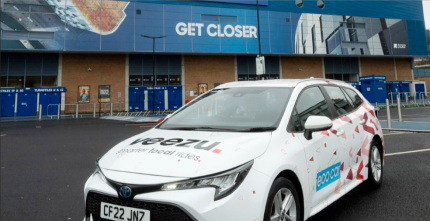
Following their acquisition last month by the Cardiff-based Veezu Group, the historic Avenue Taxis and fellow operator CabsSmart are rebranding to create a powerhouse regional service.

- WIDNES MAN AVOIDS JAIL AFTER RACIST ATTACK ON TAXI DRIVER

Brian Clare pleaded guilty to racially aggravated assault at Warrington Magistrates Court following the incident, which began when he asked the driver where he was from.
- POLICE CRACKDOWN IN NORTH WEST SEES 12 TAXIS TAKEN OFF THE ROAD
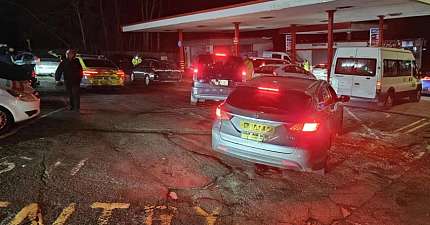
The operation, which took place on Saturday, March 14, targeted unlicensed drivers and dangerous vehicles in Preston, Chorley, and South Ribble.
- TFL LAUNCHES TRIAL OF NEW RADAR-BASED SPEED CAMERAS TO IMPROVE ENFORCEMENT AND CRACKDOWN OF DANGEROUS DRIVERS
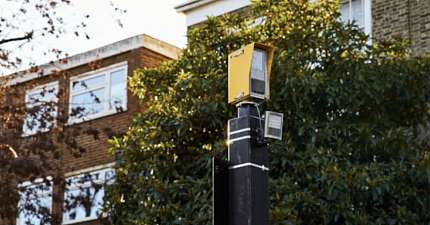
Transport for London (TfL), working in partnership with the Metropolitan Police Service (MPS), is trialling a new type of radar?based speed camera at up to 10 sites across the capital.
- LICHFIELD PRIVATE HIRE DRIVER SPARED JAIL AFTER JUDGE COUNTS OUT FATAL FIVE SECOND LAPSE
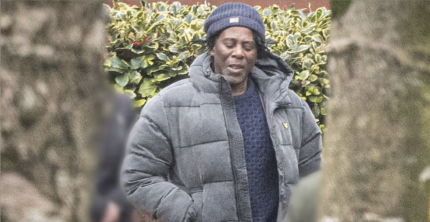
Walter Burke, 63, was found guilty of causing death by careless driving following a trial that featured a dramatic courtroom demonstration of his failure to react.
- LONDON TAXI AND PRIVATE HIRE DRIVERS HIT WITH FEE HIKES PLUS FARE RISE TO COME IN APRIL
Transport for London has confirmed a wave of price increases that will force taxi and private hire drivers to pay significantly more for their licences and tests.
- THREE ARRESTED AFTER GRIMSBY TAXI DRIVER ROBBED AT KNIFEPOINT

The driver was reportedly approached by three men wearing face coverings who "threatened him with a knife and stole £200" before running away.
- WOLVERHAMPTON PH DRIVER LOSES LICENCE AND COURT BATTLE OVER ILLEGAL GHOST PLATES
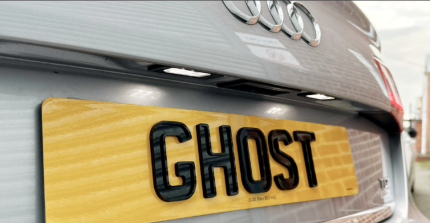
Aqeel Shakeel’s appeal was dismissed at Dudley Magistrates' Court following a council investigation that used "state-of-the-art technology" to prove his Audi A4 was equipped with the deceptive plates.
- DERBY COUNCILLORS REJECT "RIDICULOUS" PLAN TO BAN THEM FROM TAXI DRIVER MEETINGS

Council officers had suggested that future talks should only include senior staff and drivers to avoid "political bias" and "maintain impartiality in the council’s licensing functions."
- UBER MOVES INTO WILTSHIRE TO TACKLE DRIVER SHORTAGE DESPITE LOCAL CONCERNS

The move comes as the county struggles with a sharp decline in taxi numbers, with figures showing that more than a fifth of licensed drivers - a total of 218 - have left the trade since the pandemic.
- CABBIES FACE FINANCIAL CRISIS AS MIDDLE EAST CONFLICT DRIVES FUEL COSTS UP

According to the RAC, average petrol prices have hit 139.64p a litre since the violence began, leaving many drivers struggling to stay profitable.
- CHESTER MAN SENTENCED TO UNPAID WORK AFTER DRUNKEN CHRISTMAS ATTACK ON TAXI DRIVER

Terrence Harrington pleaded guilty to attacking driver Mahmoud Arras on December 20, claiming he was left at the "wrong street" while under the influence of eight pints of cider.
- ABERDEEN LAUNCHES CONSULTATION ON SCRAPPING CONTROVERSIAL TAXI KNOWLEDGE TEST

The move comes as the Granite City struggles with a severe driver shortage, with only 508 licensed taxis currently operating - less than half of the 1,079 allowed under the city's official limit.
- SOUTHEND REVOKES LICENCES OF SIX CABBIES TO PROTECT PASSENGER SAFETY

While none of the drivers faced criminal prosecution between 2022 and 2024, officials confirmed that each individual failed to meet the city’s strict safety criteria.
- TAXI GANG JAILED AFTER SMUGGLING HUNDREDS OF MIGRANTS FROM UK TO FRANCE
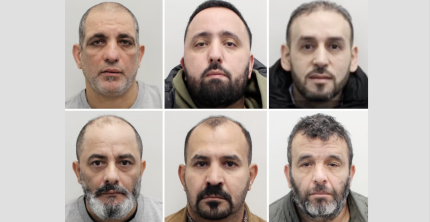
The operation was led by 54-year-old Madjid Belabes, an Uber Eats driver who pocketed nearly £290,000 by charging people £1,200 each to be transported to mainland Europe.
- PORTSMOUTH TO PROBE SAFETY GAPS BETWEEN LOCAL TAXIS/PHVS AND WOLVERHAMPTON RIVALS

A detailed report headed to the licensing committee compares the two cities' rules on driver checks, vehicle standards and enforcement rules.
- THE TAXI CENTRE MARKS 25 YEARS SUPPORTING THE UK'S TAXI AND PRIVATE HIRE DRIVERS
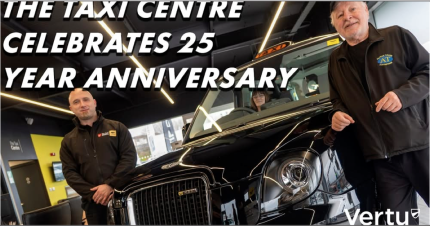
Glasgow-based The Taxi Centre, has celebrated 25 years supporting drivers across the country, as the company prepares to move to new premises.
- ENFORCEMENT OPERATION IN SOUTHAMPTON SEES HALF OF VEHICLES CHECKED FAIL MECHANICAL INSPECTIONS
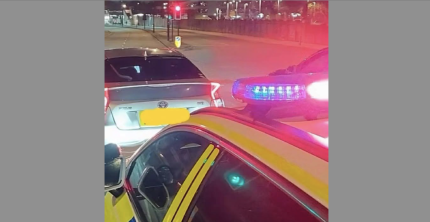
A joint enforcement operation by Roads Policing officers and Southampton City Council licensing officers stopped 24 vehicles operating in the city for full mechanical inspections.
- UBER EXPANDS WOMEN ONLY PAIRING OPTION ACROSS THE US AMID LEGAL BATTLES

The move, aimed at making women feel "more comfortable in the back seat" and "more confident behind the wheel," follows a successful pilot programme.
- INVERCLYDE TAXI FARES SET TO RISE BY 8 PER CENT AS DRIVERS FACE SURVIVAL BATTLE

Taxi passengers in Inverclyde are facing an 8 per cent increase in fares after local councillors moved forward with plans to raise the cost of travel across the district. The proposal, which includes hikes to both the in



















All content Copyright © 2026
Private Hire and Taxi Monthly Limited