



Posted on the 18th March 2026 in PHTM News
TFL LAUNCHES TRIAL OF NEW RADAR-BASED SPEED CAMERAS TO IMPROVE ENFORCEMENT AND CRACKDOWN OF DANGEROUS DRIVERS
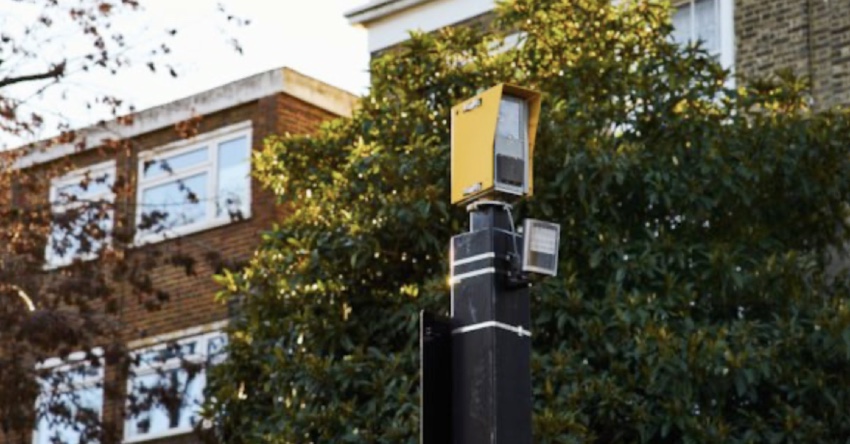
Transport for London (TfL), working in partnership with the Metropolitan Police Service (MPS), is trialling a new type of radar-based speed camera at up to 10 sites across the capital.
Evidence shows that exceeding the speed limit or travelling too fast for the conditions is a factor in around half of all fatal collisions, and TfL and the Met remain committed to enforcing safer speeds and modernising and expanding London’s safety-camera network.
The new cameras will be installed over the next few weeks at sites in Haringey, Tower Hamlets, Havering, Croydon, Hammersmith and Fulham, Brent, Hackney, Ealing and Sutton.
All sites are located on 20mph or 30mph roads and have been identified on the basis of suitability and risk.
The current spot speed cameras at these sites use sensors embedded in the road surface to detect the speed of all passing vehicles. The new cameras combine 4D radar and a 4k colour camera that requires no visible flash or white light and no in-ground sensors or road markings, offering increased reliability and a more effective method of detection.
The cameras also provide better quality images, which in turn improves the police enforcement process for drivers caught speeding. They can provide coverage of up to five lanes of bi-directional traffic flow from a single camera, whereas the current spot speed cameras can only monitor up to three lanes of traffic, requiring sensors in each of the lanes.
All enforcement signage will be checked and cameras will be calibrated before the police begin enforcement, as per TfL/MPS policy.
Speeding or driving too fast for the conditions remains one of the biggest risks to road users, with around half of the 2024 fatal collisions in London reporting speed as a contributory factor.
Siwan Hayward, TfL’s Director of Security, Policing and Enforcement, said: "Speeding continues to be a major cause of the most devastating collisions on our roads. This trial allows us to test new radar-based camera technology to ensure it meets London’s future enforcement needs. Upgrading our camera network is vital to maintaining strong, consistent enforcement, and together with the Met we are using every tool available to deter speeding, reduce road danger and save lives."
Detective Chief Superintendent Donna Smith, of the Met’s Roads and Transport Policing Command, said: “It is tragic whenever anyone is killed or seriously injured on our roads, and speeding remains a major factor, which is why our officers are totally committed to reducing that risk.
“Working alongside TfL, the Met will use every tool available, including new radar?based camera technology, to deter dangerous driving and support Vision Zero’s ambition of eliminating deaths on London’s roads.
“This trial will improve reliability and deliver better quality images, helping our officers hold offenders to account and ensuring we have a modern and effective enforcement system that saves lives.”
Read another story
- NORTH YORKSHIRE APPROVES NEW TAXI RULES TO INCREASE WHEELCHAIR ACCESSIBLE VEHICLES
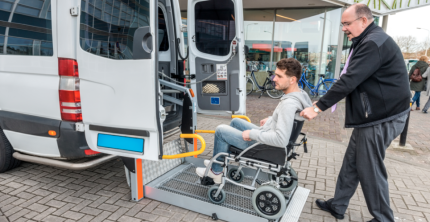
Under the new rules, any new application for a hackney carriage licence must be for a vehicle that is either wheelchair-accessible, zero-emission, or a hybrid.

- LICHFIELD PRIVATE HIRE DRIVER SPARED JAIL AFTER JUDGE COUNTS OUT FATAL FIVE SECOND LAPSE
Walter Burke, 63, was found guilty of causing death by careless driving following a trial that featured a dramatic courtroom demonstration of his failure to react.
- LONDON TAXI AND PRIVATE HIRE DRIVERS HIT WITH FEE HIKES PLUS FARE RISE TO COME IN APRIL
Transport for London has confirmed a wave of price increases that will force taxi and private hire drivers to pay significantly more for their licences and tests.
- THREE ARRESTED AFTER GRIMSBY TAXI DRIVER ROBBED AT KNIFEPOINT

The driver was reportedly approached by three men wearing face coverings who "threatened him with a knife and stole £200" before running away.
- WOLVERHAMPTON PH DRIVER LOSES LICENCE AND COURT BATTLE OVER ILLEGAL GHOST PLATES
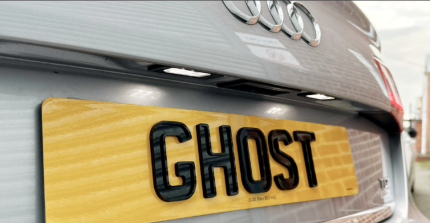
Aqeel Shakeel’s appeal was dismissed at Dudley Magistrates' Court following a council investigation that used "state-of-the-art technology" to prove his Audi A4 was equipped with the deceptive plates.
- DERBY COUNCILLORS REJECT "RIDICULOUS" PLAN TO BAN THEM FROM TAXI DRIVER MEETINGS

Council officers had suggested that future talks should only include senior staff and drivers to avoid "political bias" and "maintain impartiality in the council’s licensing functions."
- UBER MOVES INTO WILTSHIRE TO TACKLE DRIVER SHORTAGE DESPITE LOCAL CONCERNS

The move comes as the county struggles with a sharp decline in taxi numbers, with figures showing that more than a fifth of licensed drivers - a total of 218 - have left the trade since the pandemic.
- CABBIES FACE FINANCIAL CRISIS AS MIDDLE EAST CONFLICT DRIVES FUEL COSTS UP
According to the RAC, average petrol prices have hit 139.64p a litre since the violence began, leaving many drivers struggling to stay profitable.
- CHESTER MAN SENTENCED TO UNPAID WORK AFTER DRUNKEN CHRISTMAS ATTACK ON TAXI DRIVER

Terrence Harrington pleaded guilty to attacking driver Mahmoud Arras on December 20, claiming he was left at the "wrong street" while under the influence of eight pints of cider.
- ABERDEEN LAUNCHES CONSULTATION ON SCRAPPING CONTROVERSIAL TAXI KNOWLEDGE TEST

The move comes as the Granite City struggles with a severe driver shortage, with only 508 licensed taxis currently operating - less than half of the 1,079 allowed under the city's official limit.
- SOUTHEND REVOKES LICENCES OF SIX CABBIES TO PROTECT PASSENGER SAFETY

While none of the drivers faced criminal prosecution between 2022 and 2024, officials confirmed that each individual failed to meet the city’s strict safety criteria.
- TAXI GANG JAILED AFTER SMUGGLING HUNDREDS OF MIGRANTS FROM UK TO FRANCE
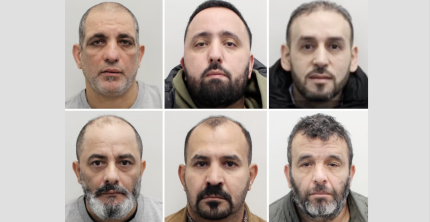
The operation was led by 54-year-old Madjid Belabes, an Uber Eats driver who pocketed nearly £290,000 by charging people £1,200 each to be transported to mainland Europe.
- PORTSMOUTH TO PROBE SAFETY GAPS BETWEEN LOCAL TAXIS/PHVS AND WOLVERHAMPTON RIVALS

A detailed report headed to the licensing committee compares the two cities' rules on driver checks, vehicle standards and enforcement rules.
- THE TAXI CENTRE MARKS 25 YEARS SUPPORTING THE UK'S TAXI AND PRIVATE HIRE DRIVERS

Glasgow-based The Taxi Centre, has celebrated 25 years supporting drivers across the country, as the company prepares to move to new premises.
- ENFORCEMENT OPERATION IN SOUTHAMPTON SEES HALF OF VEHICLES CHECKED FAIL MECHANICAL INSPECTIONS
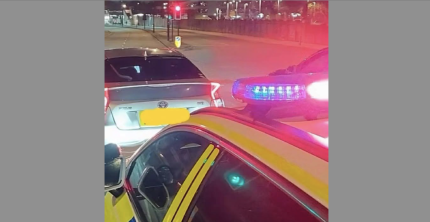
A joint enforcement operation by Roads Policing officers and Southampton City Council licensing officers stopped 24 vehicles operating in the city for full mechanical inspections.
- UBER EXPANDS WOMEN ONLY PAIRING OPTION ACROSS THE US AMID LEGAL BATTLES

The move, aimed at making women feel "more comfortable in the back seat" and "more confident behind the wheel," follows a successful pilot programme.
- INVERCLYDE TAXI FARES SET TO RISE BY 8 PER CENT AS DRIVERS FACE SURVIVAL BATTLE

Taxi passengers in Inverclyde are facing an 8 per cent increase in fares after local councillors moved forward with plans to raise the cost of travel across the district. The proposal, which includes hikes to both the in
- VICTORY FOR PH DRIVERS AS DERBY COUNCIL RELAXES PHV AGE RULE DESPITE SAFETY WARNINGS

Derby city bosses have voted to soften a controversial rule regarding the age of private hire vehicles, raising the age limit for newly licensed cars from the suggested five years to nine years.
- COMPANY ACCUSED OF RISKING PUBLIC SAFETY WITH BACK OF VAN MEDICAL SCAM

The company, Doctors on Wheels Ltd, is accused of submitting bogus medical forms to the DVLA for drivers seeking to operate taxis, buses and lorries.
- FIFE TAXI FARES SET TO RISE AS COUNCILLORS BALANCE DRIVER COSTS AND PASSENGER BUDGETS

Under the new agreement, daytime fares will increase by five per cent, while night-time journeys between 10pm and 6am will jump by 10 per cent.



















All content Copyright © 2026
Private Hire and Taxi Monthly Limited