



Posted on the 12th November 2026 in PHTM News
GLASGOW TAXI DRIVERS TO PROVIDE MANDATORY CARD PAYMENTS FROM FEBRUARY 2027

Glasgow taxi drivers will be required to accept credit, debit, and contactless card payments starting on February 1, 2027, following a unanimous decision by Glasgow City Council’s licensing committee on 11 November.
Under the phased roll-out, any driver granted a new three-year licence or a renewal from that date must carry a working card reader, making Glasgow the first local authority in Scotland to mandate card facilities.
While cash will remain an option for passengers, drivers without a device will have to purchase one and must provide a printed or handwritten receipt upon request.
The new licence conditions also require drivers to ensure their card machine is fully working before accepting fares, and to inform passengers immediately if a network outage or technical issue occurs.
The decision follows a public consultation held between February 4 and June 1 this year, which drew 1,666 responses - nearly 1,200 from the public and just over 250 from taxi licence holders.
Over 83% of respondents backed the change,with almost 78% strongly agreeing and over 5% tending to agree, compared to nearly 11% who strongly disagreed and 3.6% who tended to disagree.
Councillor Alex Wilson, SNP, who chairs the licensing committee, welcomed the move. “My inbox is normally quite full of people complaining about the first cab on the rank not taking them home because it’s not accepting card payments,” he said. “Younger members of the public no longer use cash, they’d rather tap their phone, watch etc to pay.”
Supporters of the policy argued that modernising the service will cut wait times, prevent drivers from “cherry-picking” fares at ranks, and stop passengers from being left stranded late at night.
One respondent noted that being refused a ride home due to a lack of card facilities left people in a “vulnerable position late at night,” adding: “As a result, I think twice about socialising in Glasgow city centre and I am sure I am not the only one.”
Another commented that mandatory card payments would remove “the uncertainty and embarrassment of having to ask if cards are accepted.”
However, opponents - including some drivers - argued that self-employed cabbies should choose their own payment methods, pointing to equipment costs, transaction fees, potential fare increases, poor mobile signal, declined cards, and lower tips.
Despite these concerns, council officials noted that several English authorities and a growing number of European cities have already introduced similar rules.
Read another story
- BIRMINGHAM RANKS SECOND IN UK FOR TAXI DRIVER SMOKING FINES DESPITE 41 PER CENT DROP

Liverpool City Council topped the table for the most fines so far in 2026 with 95 penalty notices - 67 ahead of second-placed Birmingham - despite seeing a 7.7 per cent decrease in 2025/26.

- BOLTON PRIVATE HIRE DRIVER STRIPPED OF LICENCE AFTER 83 COMPLAINTS

The unnamed driver was given 15 minutes to put forward his case, which councillors rejected before voting unanimously to strip him of his licence in the interests of public safety.
- WEST FIFE TAXIS FAIL INSPECTIONS OVER SOOT FILLED CABS AND DOORS HELD TOGETHER WITH STRING

Between July and September, 168 vehicles were tested in the area. The 19 failures caused the first-time pass rate to drop by nine per cent, falling from 98 per cent in March 2026 to 89 per cent.
- MAN JAILED FOR THREE YEARS AFTER DRIVING STOLEN TAXI THE WRONG WAY ON A55
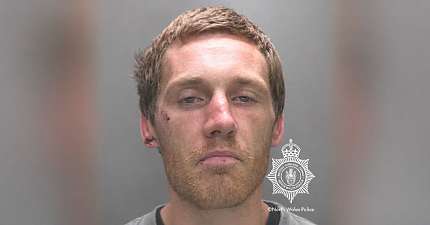
Darragh O’Grady, 31, was sentenced at Caernarfon Crown Court on Tuesday 10 November. Alongside his prison sentence, he was banned from driving for five-and-a-half years
- MALVERN TAXI DRIVERS DEMAND RETURN OF REMOVED RANKS AS INCOME AND SAFETY FEARS GROW
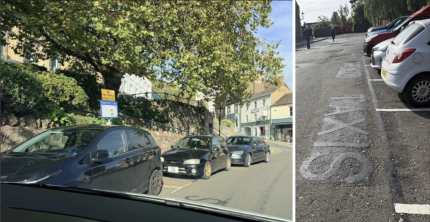
Drivers are demanding reinstatement of spaces following changes by Worcestershire County Council at Edith Walk, the Post Office, and Great Malvern station, where rank markings were painted over.
- TEENAGER JAILED FOR TWO YEARS AFTER HIGH SPEED POLICE CHASE ENDS IN DEVASTATING PHV CRASH

Arman Saddique, then four days short of his 19th birthday, sped away from police during a routine document check on Otley Road in February this year, triggering a dangerous early-hours pursuit on wet and snowy roads.
- READING CABBIES SET FOR RELIEF AS COUNCIL MOVES TO EASE EMISSIONS AND AGE RULES

Reading BC had introduced measures requiring all newly licensed vehicles to be ULEV and under five years old, while mandating a Euro 6 emissions rating for all new vehicles from October 2028.
- MERSEYSIDE MAN FINED AFTER UNLEASHING RACIST TIRADE ON CHESTER CABBIE

Jordan McCulloch, 31, from Oxton, pleaded guilty to racially aggravated intentional harassment through words when he appeared at Chester Magistrates Court on Tuesday, November 10.
- DRIVER CAUGHT USING MOBILE PHONE AWARDED TAXI LICENCE BY FIFE COUNCIL

Aaron Keenan appeared before Fife Council’s Regulation and Licensing Committee after applying for the licence, where members weighed up his conduct before coming to a decision.
- MESSAGE TO ALL OUR TRADE FROM BRISTOL SOUTH GLOS TAXICOP PC PATRICK QUINTON
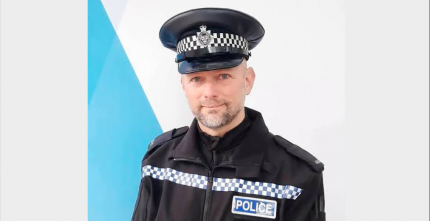
“This is why I strongly recommend that drivers install legal cameras in their vehicles."
- NEW HACKNEY APP - ROBIN - LAUNCHES IN THE UK

Dutch taxi platform Robin is introducing an alternative to the traditional commission model in the taxi industry.
- DFT CONFIRMS TAXI AND PRIVATE HIRE LICENSING REFORM PROGRESSING BUT STILL NO FIRM DATES

DfT said engagement with the sector has helped shape ongoing policy and informed work on a draft Bill expected to be brought forward for pre-legislative scrutiny during current parliament.
- CABBIES OBJECT AS TELFORD WREKIN COUNCIL CONSIDERS RAISING LICENCE RENEWAL CHARGES

The proposals drew 7 objections from members of the PH trade and a petition signed by 12 HC drivers after the council announced plans to raise renewal costs for both vehicles and drivers.
- FEMALE DRIVER ONLY PRIVATE HIRE SERVICE TO LAUNCH IN DURHAM AND SUNDERLAND

Jill Donison, 51, from Seaham, came up with the concept while working as a private hire driver and noticing how positively passengers reacted to having a woman behind the wheel.
- CALL FOR TOUGHER SAFETY STANDARDS AS 45% OF MILTON KEYNES DRIVERS LICENSED ELSEWHERE

The push for reform follows data revealing that the council received 89 complaints last year regarding drivers and vehicles licensed by other local authorities.
- BURY COULD ALLOW WRITTEN OFF CARS TO BE LICENSED AS TAXIS OR PHVS

The proposals would relax the rules for Category N vehicles, which have non-structural damage, and Category S, which have structural damage but can legally return to the road once repaired.
- PROLIFIC NEWPORT OFFENDER JAILED AFTER THREATENING CABBIE AT KNIFEPOINT AND CAUSING CRASH

Leon Gladdis, 29, from Newport, was sentenced at the Isle of Wight Crown Court after admitting a series of dangerous offences across Devon and the Isle of Wight.
- GLASGOW TAXIS COULD BE FORCED TO ACCEPT CARD PAYMENTS UNDER NEW COUNCIL RULES

Councillors will meet on Wednesday 11 November to decide whether to introduce new licensing conditions requiring the city’s black cab drivers to carry working credit and debit card readers.
- ONE MISTAKE CAN COST YOUR LIVELIHOOD: STARK WARNING ISSUED AFTER OPERATOR LOSES LICENCE

A prominent taxi boss has warned drivers that a single mistake can destroy their livelihood after a major operator lost his licence.
- HONESTY AT ITS BEST WOLVERHAMPTON PRIVATE HIRE DRIVER RETURNS WALLET CONTAINING £610

A big well done to Dara Singh, a driver with Wednesfield Cars in Wolverhampton, who went out of his way to ensure a loyal customer was reunited with his money.





















All content Copyright © 2026
Private Hire and Taxi Monthly Limited