


Posted on the 5th November 2026 in PHTM News
LONDON MAYOR WARNS OF CONGESTION AND MASSIVE JOB LOSSES AS ROBOTAXIS PREPARE TO ROLL-OUT
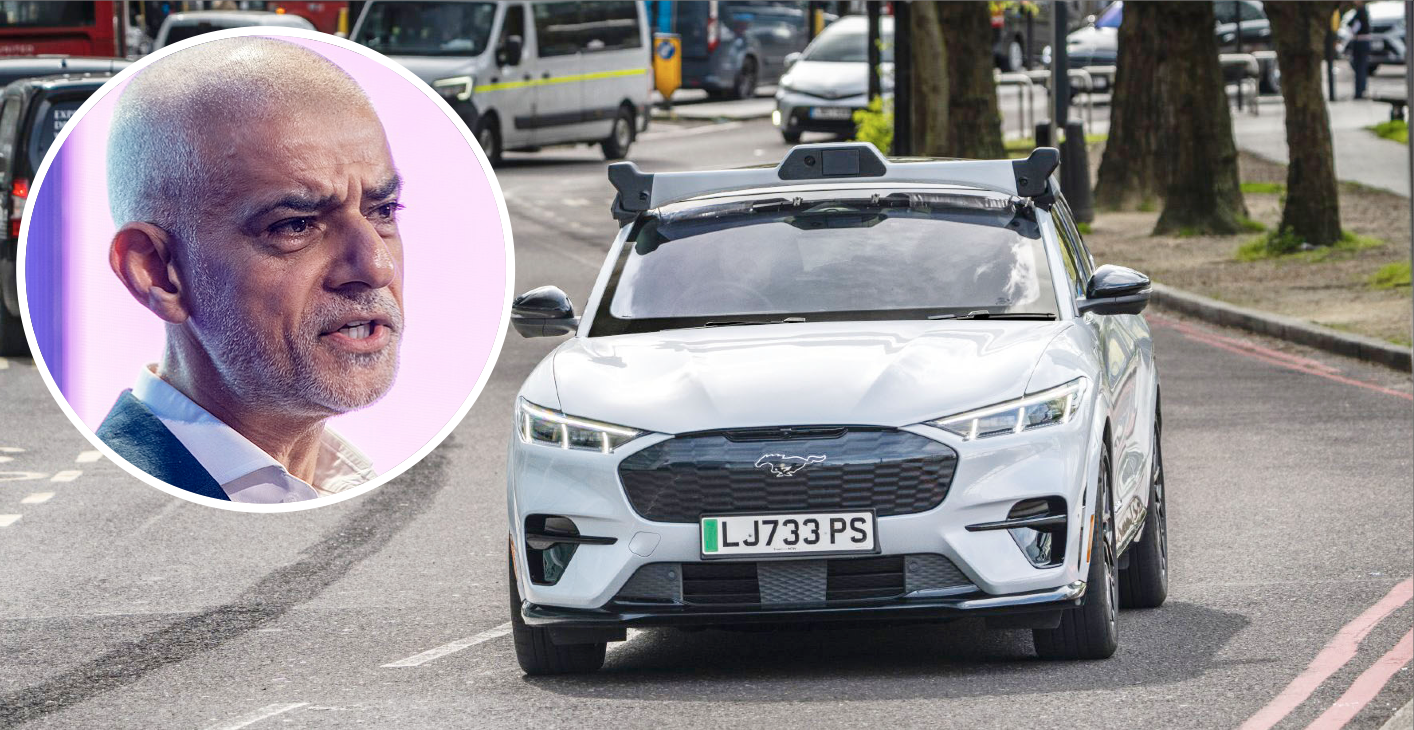
London Mayor Sadiq Khan has urged the government to curb the expansion of driverless vehicles in the capital, warning that an unregulated influx of robotaxis risks worsening traffic gridlock and devastating the livelihoods of thousands of taxi and private hire drivers.
In an interview published on 1 November, Khan argued that politicians have failed to grasp the sheer speed of technological change and insisted that Transport for London (TfL) must be granted direct licensing powers to cap vehicle numbers.
Under current rules, TfL can grant or deny consent for their use, but it cannot actively regulate or manage autonomous fleets once approved.
Highlighting the city’s complex road network, Khan warned against a premature rollout, stating: "What we don’t want is a situation where there’s a big bang without proper regulation in place. London isn’t San Francisco. We’re a city of almost 10 million, 400 villages, narrow roads, and it’s really important to get this right."
The Mayor's warning comes as major tech companies accelerate plans to launch commercial driverless taxi services across the UK by 2027. Following the Department for Transport's May 2026 decision to open applications for its self-driving passenger pilot scheme, industry momentum has built rapidly.
Uber and British firm Wayve launched limited passenger trials with human safety drivers in September 2026, while Freenow by Lyft and Chinese tech giant Baidu have been testing 24 autonomous Apollo Go vehicles in the London borough of Brent since July.
US-based operator Waymo is also preparing to enter the increasingly competitive market.
The rapid developments have triggered strong pushback from taxi unions, who have staged protests outside the London headquarters of several autonomous vehicle developers. While the government contends that self-driving technology could reduce the 88% of road collisions caused by human error, drivers fear widespread job displacement.
Danny O’Gorman, UK and Ireland general manager at Freenow by Lyft, acknowledged that navigating London’s unpredictable traffic remains a hurdle, but suggested affected workers could transition into new remote vehicle operation and servicing roles.
As companies compete to bring driverless services to London, the debate ultimately hinges on a fundamental question: should the future of the capital’s transport system be driven by technology companies, or shaped by the city and the people who rely on its roads every day? As the London Assembly continues its formal investigation into the safety, accessibility, and employment impacts of autonomous transport, the speed and scale of the rollout will determine the degree of disruption to London’s existing taxi market.
For now, the focus shifts to who will oversee this transition, how quickly it should unfold, and how to strike a balance between tech innovation and vital protections for workers and the broader transport network.
Read another story
- STIRLING COUNCILLORS APPROVE CONTROVERSIAL 11.7 PER CENT FARE HIKE DESPITE PUBLIC BACKLASH

Under the new structure, basic flag fall rates will rise: with Tariff One moving from £3.50 to £3.90, Tariff Two increasing from £4.10 to £4.60, and Tariff Three jumping from £5.60 to £6.20.

- JAILED: PASSENGER WHO TERRORISED SUNDERLAND CABBIE AT KNIFEPOINT, CRASHED CAB AND SET IT ALIGHT
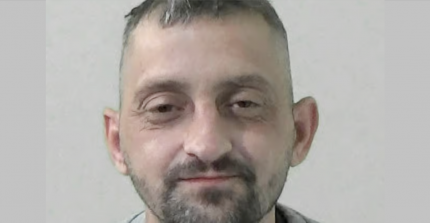
Violent passenger, Alexander Hindmarsh, who threatened to stab a cabbie in the face and cut out his eyeballs during a terrifying knifepoint attack has been jailed for more than seven years.
- £1.1 BILLION A YEAR AVAILABLE FROM PRIVATE HIRE VAT, WITH NO NEW TAX RATE

Taxi Law has published research showing that approximately £1.1bn a year could be raised by applying VAT uniformly to private hire fares across the UK.
- STOCKTON CABBIE DENIED LICENCE FOLLOWING SEXUAL ASSAULT ALLEGATION

A long-serving private hire driver has failed in his bid to regain his licence following an alleged sexual assault, despite assuring councillors that police dropped the case without charge.
- COUNTERFEIT CASH SURGE LEAVES IPSWICH CABBIES OUT OF POCKET
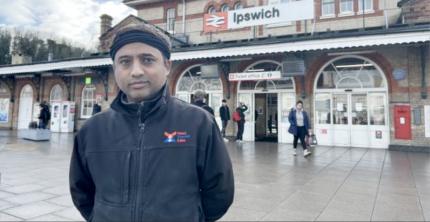
Mo Ali, a local cabbie, revealed that the problem has escalated sharply in recent weeks, warning that passengers have been spotted carrying bags packed with counterfeit notes.
- WEST CUMBRIAN WOMAN AVOIDS JAIL AFTER INTENTIONALLY STRANGLING CABBIE

Lindsay Scott appeared before Workington’s Magistrates’ Court, where she formally admitted three separate offences stemming from the events of 31 August.
- POLICE APPEAL AFTER TAXI DRIVER RACIALLY ATTACKED IN BRISTOL CITY CENTRE
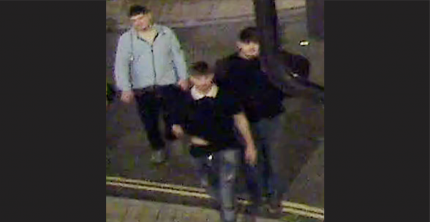
The victim was targeted while working on Anchor Road at around 4am on Saturday, 20 September, when a group of unknown individuals hurled racial slurs at him before launching a physical attack.
- ABERDEEN TAXI DRIVER WARNED OVER DISABLED PASSENGER REFUSALS AND CHARITY WORKER ROW

Mr Nirupakaran previously faced committee scrutiny in May after receiving nine points on his DVLA licence for striking a pedestrian while driving at night in 2023.
- SHEFFIELD TAXI FARES COULD RISE BY UP TO 8.6 PER CENT UNDER NEW COUNCIL PLANS

The plans would increase fares by approximately 6% for taxis carrying up to four passengers and 8.6% for larger vehicles carrying five to eight passengers.
- MANCHESTER TAXI DRIVER FINED AND GIVEN EIGHT PENALTY POINTS AFTER ILLEGAL PICK-UP IN TRAFFORD
A Manchester-licensed Hackney Carriage driver has been fined and handed EIGHT penalty points after illegally accepting a fare outside his licensing area following a Manchester United match.
- MESSAGE FROM BRISTOL TAXI COP FOLLOWING TWO DAY TAXI CRACKDOWN AT BRISTOL AIRPORT
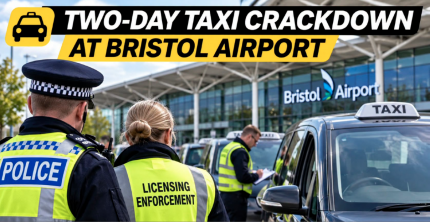
Working alongside licensing enforcement officers from Bristol, South Gloucestershire, North Somerset, Newport and Wolverhampton councils, officers uncovered a number of licensing and vehicle compliance issues.
- SEFTON LICENSED PHV DRIVER BANNED FOR SIX MONTHS AFTER ILLEGALLY PLYING FOR HIRE

The driver was caught by Liverpool City Council enforcement officers during an operation in March.
- PETERBOROUGH PRIVATE HIRE FIRM TO DONATE £1 PER BOOKING TO AIR AMBULANCE

A Peterborough private hire operator is putting community spirit into action by supporting a lifesaving charity.
- TWO BURY PRIVATE HIRE DRIVERS HAVE LICENCES REVOKED OVER SERIOUS CONDUCT ALLEGATIONS

No further details have been disclosed about the nature of the allegations, the drivers’ identities or the police intelligence involved.
- SOUTH TYNESIDE COUNCIL SCRAPS LOCAL ROUTE KNOWLEDGE TEST

Applicants will no longer have to answer questions about the quickest or most efficient routes, with the council arguing that modern sat-nav technology makes this element of the test unnecessary.
- DRINK DRIVER JAILED FOR NINE AND A HALF YEARS AFTER KILLING TAXI DRIVER IN HEAD-ON COLLISION
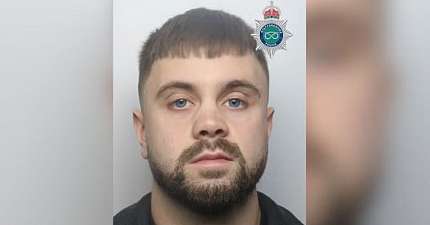
Joshua Stack, 25, from Stafford, was over the drink-drive limit when his vehicle crossed into the opposite lane in January 2024, colliding with an oncoming Toyota Avensis taxi.
- BLUELINE GROUP EXPANDS INTO CUMBRIA WITH ACQUISITION OF CARLISLE 247/365 TAXIS

Directors Tom Shanks and Ben Bell say the acquisition is part of a strategy to expand into areas where the company believes its technology, operational resources and experience can strengthen existing local taxi business
- ADDISON LEE EXPANDS GLOBALLY WITH BOOKINGS IN OVER 40 DESTINATIONS

The expansion, announced on 3 November, includes major cities such as New York, Paris and Singapore, with further destinations expected to be added.
- NORTH NORTHANTS HACKNEY FLEET FALLS BY 21 PER CENT AS TRADE REP CALLS FOR POLICY REVIEW

A North Northants taxi trade rep is demanding answers after figures revealed that the number of licensed Hackney carriages has fallen by more than a fifth since 2022, while private hire vehicle numbers have increased by
- MAJOR TAXI ACQUISITION IN KENT AS EXPRESS CABS BUYS VOKES TAXIS

The deal further strengthens Express Cabs’ position as what the company describes as the largest independently owned taxi operator in Kent and the South East outside London.





















All content Copyright © 2026
Private Hire and Taxi Monthly Limited