


Posted on the 10th November 2026 in PHTM News
DFT CONFIRMS TAXI AND PRIVATE HIRE LICENSING REFORM PROGRESSING BUT STILL NO FIRM DATES
In an email update to stakeholders, the DfT said engagement with the sector through ministerial roundtables and workshops has helped shape ongoing policy development and informed work on a draft Bill that is expected to be brought forward for pre-legislative scrutiny during the current parliamentary session.
• A consultation on National Standards for taxi and private hire licensing, due by the end of the year
• A draft Bill, expected to be brought forward for pre legislative scrutiny during the current parliamentary session
• Work to commence new enforcement powers under the English Devolution and Community Empowerment Act, allowing licensing authorities to immediately suspend a licence operating in their area, whichever authority issued it, where there is an urgent safety justification
• A response to the consultation on making all Local Transport Authorities in England responsible for taxi and private hire licensing, which received more than 1,100 submissions and is due shortly
While the department stressed that stakeholder engagement is continuing and detailed proposals are still being developed, the latest update indicates that significant work on taxi and PHV licensing reform remains underway, with further announcements expected in the coming months.
Read another story
- NEW HACKNEY APP - ROBIN - LAUNCHES IN THE UK

Dutch taxi platform Robin is introducing an alternative to the traditional commission model in the taxi industry.

- CABBIES OBJECT AS TELFORD WREKIN COUNCIL CONSIDERS RAISING LICENCE RENEWAL CHARGES

The proposals drew 7 objections from members of the PH trade and a petition signed by 12 HC drivers after the council announced plans to raise renewal costs for both vehicles and drivers.
- FEMALE DRIVER ONLY PRIVATE HIRE SERVICE TO LAUNCH IN DURHAM AND SUNDERLAND
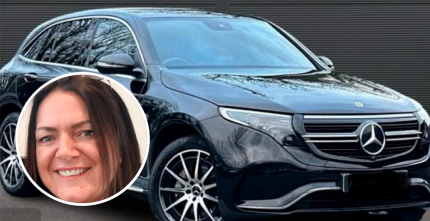
Jill Donison, 51, from Seaham, came up with the concept while working as a private hire driver and noticing how positively passengers reacted to having a woman behind the wheel.
- CALL FOR TOUGHER SAFETY STANDARDS AS 45% OF MILTON KEYNES DRIVERS LICENSED ELSEWHERE
The push for reform follows data revealing that the council received 89 complaints last year regarding drivers and vehicles licensed by other local authorities.
- BURY COULD ALLOW WRITTEN OFF CARS TO BE LICENSED AS TAXIS OR PHVS

The proposals would relax the rules for Category N vehicles, which have non-structural damage, and Category S, which have structural damage but can legally return to the road once repaired.
- PROLIFIC NEWPORT OFFENDER JAILED AFTER THREATENING CABBIE AT KNIFEPOINT AND CAUSING CRASH

Leon Gladdis, 29, from Newport, was sentenced at the Isle of Wight Crown Court after admitting a series of dangerous offences across Devon and the Isle of Wight.
- GLASGOW TAXIS COULD BE FORCED TO ACCEPT CARD PAYMENTS UNDER NEW COUNCIL RULES

Councillors will meet on Wednesday 11 November to decide whether to introduce new licensing conditions requiring the city’s black cab drivers to carry working credit and debit card readers.
- ONE MISTAKE CAN COST YOUR LIVELIHOOD: STARK WARNING ISSUED AFTER OPERATOR LOSES LICENCE

A prominent taxi boss has warned drivers that a single mistake can destroy their livelihood after a major operator lost his licence.
- HONESTY AT ITS BEST WOLVERHAMPTON PRIVATE HIRE DRIVER RETURNS WALLET CONTAINING £610

A big well done to Dara Singh, a driver with Wednesfield Cars in Wolverhampton, who went out of his way to ensure a loyal customer was reunited with his money.
- HMRC HITS UBER WITH £26BN BILL AFTER IT ALLEGEDLY FAILED TO PAY TAX ON MILLIONS OF RIDES

The Telegraph reports that the tax authority has resurrected a dispute with the ride-hailing app concerning how much VAT the company should charge on rides.
- £1,074 FINE & 3 POINTS FOR ONE ILLEGAL TYRE
Liverpool City Council Enforcement Officers inspected a Sefton-licensed private hire vehicle near Liverpool John Lennon Airport in March.
- WOLVERHAMPTON LICENSED PH DRIVER HAILED A HERO AFTER RESCUING STRANDED MUM AND TODDLER
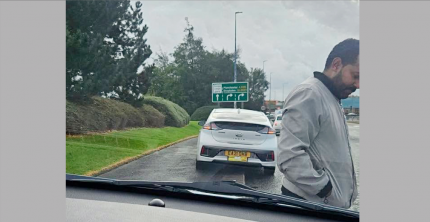
Post shared on Facebook: “Whoever this Gentleman is. You are a real life angel!!
- WELL DONE POPPY CABS SCOTLAND

This year 29 cabbies transported over 40 veterans to and from various remembrance day events across Edinburgh and the Lothians area.
- PHTM SO PROUD OF OUR TRADE AS CABS FOR VETERANS LINE WESTMINSTER BRIDGE
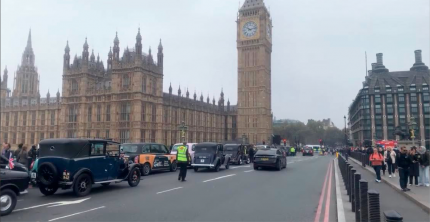
Hundreds of London black cabs lined Westminster Bridge on Sunday 8 November, waiting to take veterans home from the Cenotaph without charging a penny.
- BLACK CAB DRIVERS WELCOME DECISION TO MAKE BANK JUNCTION ACCESS PERMANENT

The area, located in the Square Mile, was previously restricted to pedestrians, buses,and cyclists between 7am and 7pm on weekdays, with taxis barred from entry.
- TAXI DRIVER SUSPENDED BY SOUTH OXON DC TO PAY £1,924 AFTER CONTINUING TO TRANSPORT CHILDREN

Tariq Mehmood, 48, of Reading, was found guilty in his absence at High Wycombe Magistrates’ Court on 16 October 2026.
- TEENAGER SERIOUSLY INJURED AFTER BEING RUN OVER BY HACKNEY CAB IN CORBY TOWN CENTRE
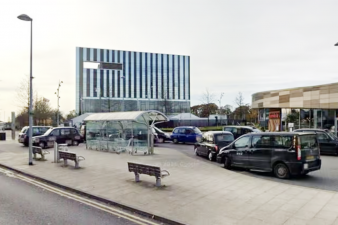
According to the Northampton Telegraph, the boy had been in the local taxi with a group of friends when an argument broke out between him and the driver.
- TAXI LICENCE SURGE DELIVERS FINANCIAL BOOST TO FAREHAM COUNCIL

The surge in hackney carriage applications was highlighted during an Overview and Scrutiny Board meeting on 26 October, where councillors reviewed the local authority’s latest financial performance.
- LONDON MAYOR WARNS OF CONGESTION AND MASSIVE JOB LOSSES AS ROBOTAXIS PREPARE TO ROLL-OUT
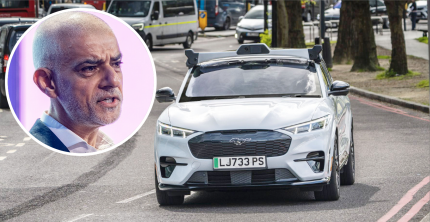
In a recent interview Khan argued that politicians have failed to grasp the sheer speed of technological change and insisted that TfL must be granted direct licensing powers to cap vehicle numbers.
- STIRLING COUNCILLORS APPROVE CONTROVERSIAL 11.7 PER CENT FARE HIKE DESPITE PUBLIC BACKLASH

Under the new structure, basic flag fall rates will rise: with Tariff One moving from £3.50 to £3.90, Tariff Two increasing from £4.10 to £4.60, and Tariff Three jumping from £5.60 to £6.20.





















All content Copyright © 2026
Private Hire and Taxi Monthly Limited