



Posted on the 15th September 2026 in PHTM News
LONDON'S ICONIC BLACK CABS FACE SHORTAGE CRISIS AS PRIVATE HIRE VEHICLES SURGE

London could lose its famous black cabs as hundreds of the iconic taxis and their drivers come off the road each year, because industry bosses claim production of new vehicles has been massively reduced while the private hire sector rapidly expands.
Hundreds of black cab drivers could lose their jobs because it has become so difficult to obtain a new vehicle after their current one reaches its 12-year expiry date and must be replaced under Transport for London regulations. Meanwhile, private hire vehicles in the capital have surged from 55,000 to 110,000 since lockdown, adding immense pressure to the traditional taxi trade.
MyLondon spoke with leading industry figures about their struggles to source new cabs, as they claim that, despite increased demand for new vehicles, the manufacturer, LEVC, is drip feeding them to drivers and cab fleets. Both LEVC and TfL deny that there is a reduction in production of the famous cabs.
Currently, London's black cabs are licensed to stay on the road for 12 years, following a change to TfL regulations that reduced the vehicles' lifespan from 15 years. While this caused concern among the trade, there were hopes that, with new vehicles readily available, the trade would continue to operate as usual.
A leading cab proprietor who owns one of London's largest fleets has told MyLondon that, despite ordering numerous vehicles in the last year, LEVC has not met their demands, effectively leaving cab drivers at risk of being out of work, and that any denial of this by TfL or LEVC is just "lip service".
They explained that over the past year, they had asked LEVC for dozens of vehicles, and only a fraction of what was requested could be delivered, which started to "ring alarm bells". They added: "There's been no communication at all for the last six months as to what they're doing, or why they were only putting out one, two, three, four [cabs] a week."
This has led the fleet owner to reevaluate whom they take on as renters, as vehicles are becoming increasingly scarce, and he claims he is having to turn down drivers for lack of vehicles. In addition to this, a lack of parts has put the fleet's existing vehicles at risk, as some parts have been out of stock for more than a year, ultimately threatening the trade and risking driver redundancy.
Danny Sullivan, 59, a cab driver for three decades, currently drives a cab whose shelf life will expire in May 2027, and despite attempting to order a new one, he has been told he will have to wait for a new vehicle, but with the uncertainty and seven years until retirement, a breakdown or a collision could be the end of his career.
He said: "With what's going on, the LEVC factory has all its lights out, TfL won't tell us anything, LEVC are saying they will produce something, but we don't know when. In the meantime, we have 1500 vehicles coming off the road each year, where are these drivers going to get vehicles from, me being one of them? Are TfL making me redundant? I've contacted TfL and LEVC themselves, and TfL seems to be their own bosses; they are just saying there isn't a problem.
"The garages are scaring me; they say they can't get parts. That's the worst thing, people are waiting two or three months for parts, and their cabs are unavailable. In the meantime, since lockdown, we have lost 10,000 cabs, and private hire has gone from 55,000 to 110,000."
He continued: "I'm worried, I've been a cab driver for 30 years, I still want to drive a cab. The only option would be to rent one, but even then, at 60 years old, I don't want to be renting a cab for £400 a week. If TfL really want to get rid of us, give us a redundancy package and send us on our way. They can have my badge. I could retire, but I don't want to. TfL are just not letting us know what's going on. I have six months."
LEVC has argued that they have adjusted their output to meet expected market demand and that they are working on the next generation of black cab, yet no updates have been issued as to when the vehicle will be released.
Peter Facenna, Managing Director of Allied Vehicles, has been trying to introduce a new vehicle, the Ford Maxicab, to London cab drivers, yet he claims that due to an old regulation regarding vehicle turning circles, TfL has refused or ignored attempts to license the vehicle for trade use in London.
Danny, the cab proprietor, and Grant Davies from the London Cab Drivers' Club have issued appeals to TfL to alleviate the crisis caused by a shortage of vehicles and parts. They say that the new vehicle, despite its limited turning circle, would help ease the crisis in the capital, as every other city in the UK aside from Reading has licensed it.
Peter pointed out that LEVC's newly released accounts indicate that production has stopped or slowed because its latest model, the TX5, doesn't meet regulatory standards set to take effect on September 1, and that the cabs will no longer be produced after this date.
Grant Davies, chairman of the London Cab Drivers' Club and a cab driver of 32 years, said: "The cab trade is facing a major hurdle in our history and yet our regulators (TfL) and my fellow trade organisations seem to think that by doing nothing it will, in time, resolve itself. I have members calling me and asking me where they can get a cab to rent and go to work. TFL policies are making self-employed drivers unemployed."
In response to the claims put forward by the trade, an LEVC spokesperson said: "LEVC regularly adjusts manufacturing output to meet expected market demand. In line with our 2026 manufacturing programme, LEVC has adjusted factory output in order to prepare for the next generation of black cab. In the meantime, TX assembly continues at Ansty and new vehicle deliveries, used sales, and aftersales operations continue as normal. LEVC's next-generation product is in active development, and we look forward to sharing more news on this soon."
TfL has also stated that there are a range of ways for drivers to obtain a zero-emission taxi, including LEVC via a lease arrangement or on the second-hand market.
A TfL spokesperson said: "If there was an issue with the supply of vehicles, we would take action. Any taxi driver who needs a zero-emission capable taxi can access one. We'll continue to engage closely with LEVC and representatives of the taxi trade, while monitoring the situation closely."
Read another story
- CAMBRIDGE TAXI COLLISION LEADS TO DISMISSAL OF DRUNK POLICE OFFICER IN UNMARKED CAR

PC Joseph Passby had consumed alcohol prior to his shift and was on duty around 9am on 15 June 2026, when the collision with the taxi occurred.

- SPALDING TAXI WORKERS WARN OF TOWN TRAFFIC 'CARNAGE' AMID ROADWORKS

Chris Pearson, a passenger assistant for Spalding Smart Cabs, said that traffic in the area had become "a nightmare" for local transport providers trying to get around.
- GOVERNMENT REAFFIRMS PLANS FOR TAXI AND PRIVATE HIRE VEHICLE BILL

The Government has reaffirmed its intention to introduce a draft Taxi and Private Hire Vehicle (PHV) Bill, with improved accessibility for disabled passengers identified as a key objective.
- CORBY CABBIES RAISE CONCERNS OVER AREA WIDE KNOWLEDGE TESTS IN TALKS WITH COUNCILLOR

The meeting brought together the North Northants Hackney Carriage Trade Alliance and local councillors, including regulatory services lead Cllr Kirk Harrison, to discuss the council's harmonised licensing policy.
- ACCRINGTON MAN JAILED FOR THREE AND A HALF YEARS AFTER ATTACKING CABBIE WITH BEER BOTTLE

Lucas Simpson ordered the cab to take him and his girlfriend from Blackburn to Darwen late in July 2024, at the destination, Simpson got out without paying the £40 fare.
- FEMALE COUNCILLORS DEMAND REVIEW OF HIGHLAND COUNCIL TAXI LICENSING AFTER RAPIST SCANDAL

The move follows widespread public outrage after convicted rapist David Brown was allowed to keep his operator’s licence following a majority decision made behind closed doors.
- WOMAN HANDED COMMUNITY ORDER AFTER STEALING TEESIDE CABBIE'S PHONE AND WALLET

Daniella Shellard approached the Royal Cars cabbie on June 16 near Newport Bridge while he was parked up and waiting for a customer to return.=
- THE WCHCD APPOINTS CHRIS HEARNDEN AS ITS NEW MASTER HACKNEY DRIVER
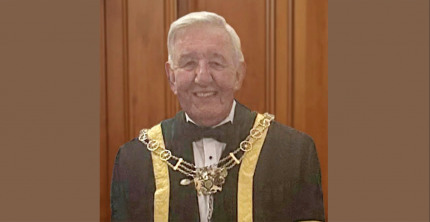
Chris takes over the position from the outgoing Master, Leigh Dargan, whose year-long tenure in office has now come to an end. Leigh will however continue her service to the company in the role of Deputy Master.
- CHADS CARS DERBY REBRANDS AS STAR CARS PREVIOUSLY KNOWN AS CHADS CARS

Operations Manager Martin Walker said: "Since Chads Cars was acquired by JEM Group in 2022, our strategy has been to grow the business and deliver better services and benefits for customers and drivers alike."
- COVENTRY DEVELOPER LAUNCHES NEW BOOKING SYSTEM TO SUPPORT CITYS BLACK CABS

The system operates through WhatsApp and is intended to allow passengers to book directly with local black cab drivers.
- NEW HEALTHCARE SERVICE LAUNCHED TO SUPPORT BRITAIN'S TAXI AND PRIVATE HIRE DRIVERS

The latest National Taxi & PH Driver Survey found over a third of drivers reported their job negatively affects physical wellbeing, while over a quarter reported a negative impact on mental health.
- REMEMBERING JOHN MATKIN: A VETERAN OF OUR INDUSTRY

John Matkin was a true pioneer of Derby’s taxi industry and the founder of the business that became Chads Cars.
- ROCHFORD TAXI FARES TO RISE AS COUNCILLORS CLASH OVER IMPACT ON VULNERABLE RESIDENTS

Under the new structure for journeys taken between 6am and 9pm from Monday to Saturday, the initial charge for the first 440 yards or first two minutes will jump from £4 to £4.50.
- ICONIC LONDON TAXI MAKER CUTS LOSSES BY OVER £100 MILLION DESPITE WORKFORCE REDUCTION

This financial recovery occurred even as overall turnover dropped from £88.1m to £59.5m, driven by a strategy to control manufacturing costs, which fell by over 24% compared to previous year.
- CUMBERLAND TAXI FARES LOOK SET TO UNITE UNDER A UNIFORM TWO MILE TARIFF AT £7

The upcoming change aims to replace the varied pricing structures left behind by the legacy councils of Allerdale, Carlisle, and Copeland, which were combined when the new authority formed on 1 April 2023.
- BLAENAU GWENT TAXI FARE RISE FROZEN AFTER SURPRISINGLY LOW DRIVER RESPONSE

Plans to increase taxi fares in Blaenau Gwent have stalled after only three out of 118 licensed drivers responded to a public consultation.
- DEAN TAXIS DRIVER FIRED AFTER INAPPROPRIATE REMARKS TO WOMAN AND UNANNOUNCED HOME VISIT

The passenger's partner shared details on social media - the post stated the driver made the comments during a journey home, leaving the lone woman "terrified" and "scared for her life".
- WORCESTER TAXI FARE RISE SCRAPPED AFTER U TURN

In June, the council agreed to raise fares after a request from the Worcester Taxi Association, however, a subsequent survey of association members revealed a distinct lack of support for the hike.
- SOUTHEND PREPARES OVERHAUL OF TAXI STANDARDS AND LOCAL TRANSPORT POLICIES

Among the central proposals is a new taxi licensing policy that would set one framework for driver conduct, vehicle standards, safeguarding and operator responsibilit
- LEEDS CAREER CRIMINAL JAILED AFTER ROBBING TAXI DRIVER HOURS AFTER PRISON RELEASE

Tremaine Jackson, 21, was picked up by the cab in Leeds city centre from the Hampton Hotel at 3.31am on June 5, 2026, after having been freed from custody just the day before.





















All content Copyright © 2026
Private Hire and Taxi Monthly Limited