


Posted on the 5th August 2026 in PHTM News
WAYVE AND UBER MOVE A STEP CLOSER TO AUTONOMOUS RIDES IN LONDON AS TFL GRANTS PHV LICENCES
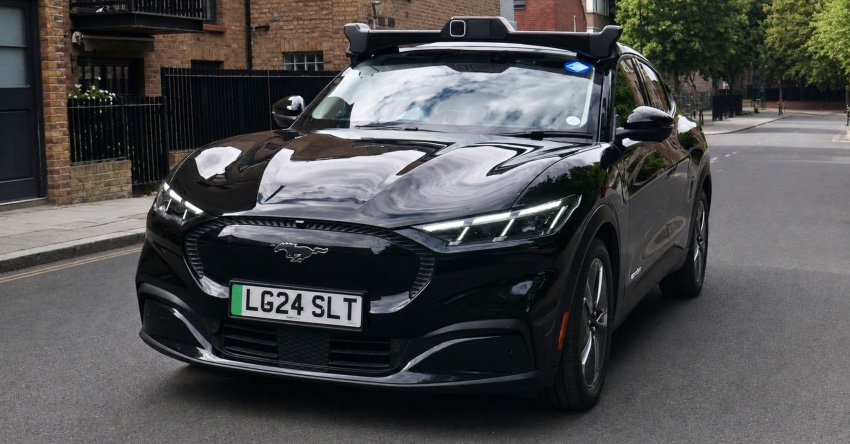
Robotaxis on London's roads have moved a step closer after Transport for London (TfL) granted private hire vehicle licences to a number of Uber's fleet of autonomous, pure-electric Ford Mustang Mach-Es - on the condition that a human driver is present.
The decision marks a major milestone for ride-hailing giant Uber and British artificial intelligence firm Wayve, making London the first city in the world to deploy Wayve’s commercial autonomous technology. Modified with custom camera pods and radar units, the vehicles passed TfL inspections confirming they satisfy all local policy and safety standards.
The licensing completes the strict "triple-lock" requirement, which mandates that the operator, driver, and vehicle must all hold valid licences from the same authority.
Although the cars are designed to drive themselves using Wayve’s "AV2.0" artificial intelligence, a trained, licensed human driver will sit behind the wheel to monitor each journey and take control if necessary, while the technology is demonstrated to be safe.
Operating without a human driver present will require separate regulatory approval from the Driver and Vehicle Standards Agency.
Passenger demand for the new technology has been high, with over 100,000 Londoners registering their interest within the past eight weeks. Uber confirmed that selected members of this interest list will be offered trial rides later this summer to provide feedback ahead of a full commercial launch.
A TfL spokesperson emphasised that safety remains its top priority, noting that any new vehicle licensed to carry passengers in London must align with its goal of eliminating deaths and serious injuries on London roads by 2041.
Wayve’s modifications to the Mustang Mach-E – such as its six cameras – were assessed by experts and found “they do not compromise passenger safety”, he added.
The move has drawn mixed reactions across the transport sector. While PHV drivers' unions harbour concerns regarding potential long-term job losses, industry leaders remain optimistic.
Wayve vice president for global affairs and assurance, Sarah Gates, stated: "This licence is an important step towards giving Londoners the chance to experience autonomous driving technology.
"The responsible deployment of these vehicles will bring us safer, cleaner and quieter streets, and we’re proud to continue working alongside regulators, communities and the public as we take the next steps towards making autonomous rides a reality in the capital."
Echoing this enthusiasm, Uber’s global head of autonomous mobility operations, Annie Duvnjak, added: "This licence is a key milestone in bringing autonomous rides to London on Uber. Our interest list has seen an incredible response from Londoners who are excited to experience Wayve’s British-built autonomous driving technology."
Founded in 2017 by two PhD students from the University of Cambridge, Wayve develops AI systems that learn from driving experience rather than relying on high-definition mapping.
Alongside its Uber partnership, the firm is collaborating with major car manufacturers including Nissan and Stellantis to integrate autonomous systems into consumer vehicles.
Read another story
- TEIGNBRIDGE DISTRICT COUNCIL: STILL TIME TO HAVE SAY ON TAXI POLICY REVIEW

The public consultation closes at midday on Friday, August 7, with the council urging anyone with an interest in the future of taxi and private hire services in the district to take part before the deadline.

- MAN ARRESTED AFTER PRIVATE HIRE VEHICLE CRASHES INTO TOXTETH HOUSE
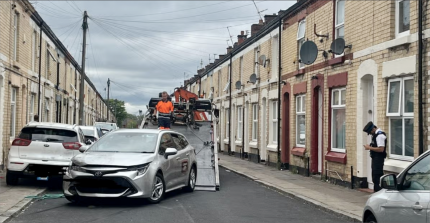
Emergency services were called to Asbridge Street at around 6.45am on Tuesday, 4 August, after a silver Toyota Corolla PHV collided with the property, causing visible damage to the vehicle.
- BUCKINGHAMSHIRE COUNCIL FACES LEGAL BATTLE OVER REVISED TAXI LICENSING POLICY
The council has confirmed it has received a claim for a judicial review regarding "certain aspects" of its updated Hackney Carriage and PH Licensing Policy, which was originally approved on 19 March
- SLEAFORD TAXI DRIVER HANDED SIX MONTH BAN AND HAS TO PAY £2,500 FOR OPERATING UNLICENSED CAB

Mohammad Karim, 27, was sentenced in his absence at Boston Magistrates' Court after failing to attend due to illness.
- MID SUSSEX MOVES TO EXTEND AGE LIMITS FOR ELECTRIC TAXIS TO SUPPORT DRIVERS
Under the proposal, which will now go to full council for final approval, the current ten-year age limit on licensed vehicles will be increased to 15 years exclusively for electric models.
- PRIVATE HIRE DRIVER ISSUES SAFETY WARNING FOLLOWING ORDEAL NEAR LITTLEBOROUGH STATION
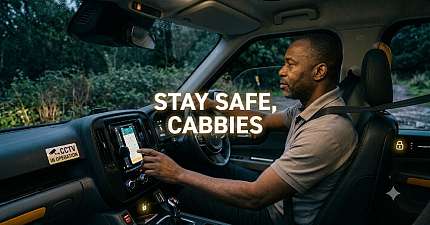
The driver was parked on a nearby street waiting for his next booking after completing an Uber journey when an unknown man approached his car.
- SOUTH CAMBRIDGESHIRE DRIVER DENIED PH LICENCE FOLLOWING HIDDEN INJURY CONVICTION

In meeting minutes detailing the refusal, the panel concluded that "on the balance of probabilities" the unnamed applicant was "not a fit and proper person to hold a private hire driver licence."
- CABBIES FURIOUS AS CORNWALL COUNCIL SAFETY CHECKS THREATEN BUSIEST WEEK AT BOARDMASTERS FESTIVAL
Local firms argue that the timing of the enforcement undermines their livelihoods during the most profitable period of the year.
- LONDON TAXPAYERS LEFT WITH £76M BILL AS TFL LICENSING DELAYS HIT DRIVERS
Almost 18,000 drivers have received payouts between £300 and £500 under a Goodwill Payment Scheme, which was introduced to support those whose livelihoods were disrupted.
- UNION MOTOR COMPANY MARKS 30 YEARS SUPPORTING SCOTTISH TAXI TRADE WITH SPECIAL GIVE AWAY

Now part of Vertu Motors following its acquisition last summer, the business continues to provide servicing, parts and specialist support tailored to professional drivers who own and run LEVC Hackney carriages
- THREE CABBIES FINED AFTER BEING CAUGHT IN ILLEGAL TRAFFORD PICK-UP CRACKDOWN
The drivers accepted unbooked fares from undercover licensing officers - violating strict regulations that stipulate only hackneys licensed within Trafford can be hailed directly in the borough.
- RIBBLE VALLEY TAXI SPOT CHECKS CONFIRM EIGHT OUT OF TEN VEHICLES WERE SAFE

The unannounced inspections were carried out to ensure licensed cabs continue to meet strict safety and reliability standards for local passengers.
- CALLS FOR ACTION OVER TAXIS ILLEGALLY PARKING AT ST ALBANS CITY STATION
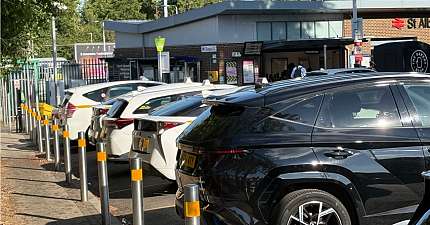
Despite clear signage prohibiting taxis, local cabbies continue to block the area near the Platform 4 entrance, creating severe congestion for pedestrians and other motorists, especially during evening hours.
- SHEFFIELD ROADWORKS TRIGGER CHAOS FOR TAXI DRIVERS AND HOSPITAL PATIENTS
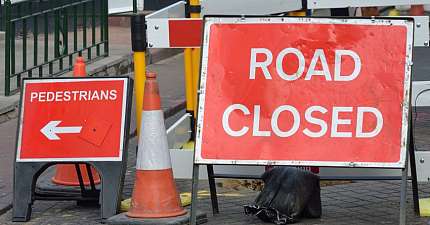
Ongoing works on major routes - including Tenter Street, Furnival Road, Clarkehouse Road, and Granville Road - are causing extensive delays, particularly during rush hour traffic.
- BLACKPOOL TAXI FARES SET TO RISE AS COUNCILLORS APPROVE PRICE HIKE TO EASE COST PRESSURES

Starting fares across all tariffs will increase by 30p - with tariff one rising from £2.60 to £2.90 - representing an average fare increase of around 4.28%, whilst tariff two will see a 10% rise.
- LANARKSHIRE THUG FACES JAIL AFTER SMASHING TAXI DRIVERS FACE WITH ROAD SIGN OVER UNPAID FARE

Scot McCluskey, 37, pleaded guilty at Hamilton Sheriff Court to assaulting the cabbie to his severe injury and permanent disfigurement.
- COURT OF APPEAL INCREASES SENTENCE FOR SNAPCHAT DRIVER WHO KILLED CABBIE IN 100MPH CRASH
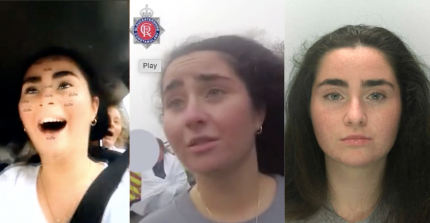
Liberty Mitchell, who had passed her driving test just three weeks prior to the December 2022 crash, was originally sentenced to six years and eight months at Gloucester Crown Court.
- SURGE IN OXFORDSHIRE TAXI COMPLAINTS AS REPORTS HIT RECORD HIGH

An investigation has revealed a dramatic rise in complaints against cabbies across Oxfordshire, with local councils logging 714 reports over 2025/26 - a significant leap from 601 the previous year
- THREE BOLTON PH DRIVERS FACE REFUSAL, REVOCATION AND SUSPENSION FOLLOWING COUNCIL RULINGS

Following separate hearings on July 7, 2026, councillors concluded that each case raised serious doubts about whether the individuals remained "fit and proper" to hold or be granted a licence
- WEALDEN COUNCILLORS BACK 10 PER CENT TAXI FARE HIKE AFTER FOUR YEAR FREEZE

The committee heard that the 10 per cent boost was considered a "reasonable" adjustment to help drivers cope with rising operational expenses since maximum fares were last raised in October 2022.




















All content Copyright © 2026
Private Hire and Taxi Monthly Limited